
Dubai to Muscat Luxury Car Transfer: The Ultimate Cross-Border Chauffeur Experience
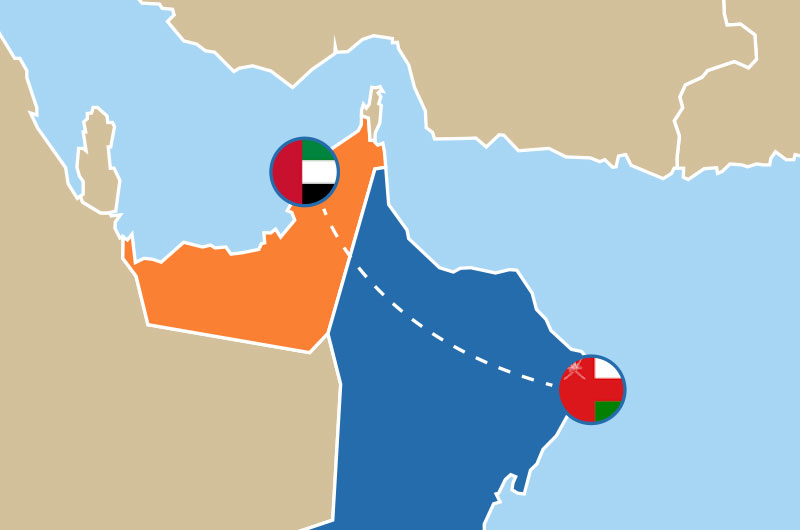
You’ve done the Dubai–Muscat flight. A 40-minute flight, two hours at the airport beforehand, baggage collection at the other end, and a taxi to the city.
By the time you do the math, that “quick flight” wasn’t quick at all. So here’s a thought worth sitting with: what if the journey itself became the best part of the trip?
One of the most rewarding transfers in the Gulf is the Dubai to Muscat road route. Mountains, open desert, a proper international border crossing, and a comfortable cabin that could move with you at your speed. No gates, no lines, no strangers in the middle seat.
This guide comes from hands-on experience running Dubai to Muscat luxury car transfer along this corridor. It covers everything you need to plan the crossing properly, choose the right vehicle, and arrive in Muscat feeling like the journey worked for you rather than against you.
Here’s What You Will Learn:
- Why driving beats flying on this specific route
- How the route unfolds and what the road actually looks like
- Which vehicle suits your group size and occasion
- What a professional chauffeur manages that a regular driver simply does not
- How the UAE–Oman border crossing works step by step
- Which en-route stops are worth adding to your itinerary
- What pricing looks like and what is included
- The practical documents and logistics to sort before departure
Why Is a Dubai to Muscat Road Transfer Better Than Flying?
The Dubai to Muscat road covers about 550km, and with your professional chauffeur behind the wheel and easy border crossing, it normally takes you five or six hours to be at your destination in Muscat. That sounds like a lot until you consider the entirety of flying: arriving two hours early at the airport, security, boarding, and a 45-minute flight, deplaning, baggage collection, and another transfer to another city. The actual time difference between the two is negligible.
Quality of experience is what cannot be neglected. According to industry research by the Global Business Travel Association, factors like safety, convenience, and reliability influence ground transportation choices. These are delivered with a chauffeured car.
The luggage factor is also there. There are no weight limits or baggage costs, and there is no risk that your suitcase won’t be delivered a day later than yours. The bags are in the boot and will arrive at your destination. For families traveling with children’s gear or professionals carrying equipment, that alone shifts the decision.
What Does the Dubai to Muscat Road Route Look Like in a Luxury Car Transfer?
Leave Dubai on the E44 heading southeast, and the city thins out faster than you’d expect. Within thirty minutes, the towers are behind you. Within an hour, the Hajar Mountains begin building on the horizon in layers of grey and ochre limestone. The landscape between the two countries is genuinely striking, and it changes character several times across the journey.
The main corridor passes through:
- E44 toward Hatta: A smooth, fast highway with light traffic outside morning and evening rush windows.
- Hajar Mountain foothills: Rugged ridgelines, dried wadis, and patches of unexpected greenery at higher elevations.
- Al Wajajah/Hatta border post: The primary crossing point for this route, connecting the UAE to Oman.
- Al Batinah Expressway, Oman: A coastal highway running parallel to the Gulf of Oman, carrying you south toward the capital.
- Muscat Capital Area approach: Wide boulevards, low-rise whitewashed architecture, and a noticeably quieter atmosphere than Dubai.
Oman ranked among the top countries in the Arab world for road safety improvement in the WHO EMRO, with fatality rates on its major highways dropping significantly over the past decade due to infrastructure investment and enforcement upgrades.
The driving time on the Oman side alone, from the border to central Muscat, is approximately two and a half hours under normal road conditions.
How Do You Choose the Right Vehicle for a Dubai to Muscat Luxury Car Transfer?
The quality of those five or six hours depends on the type of vehicle you opt to travel in. The luxury car transfers between Dubai and Muscat must be comfortable throughout the journey, not merely flashy on the way. Any vehicles traveling on this route by a reputable operator must be fully insured cross-border, registered in the UAE and Oman, and have a roadworthy certificate not something you have to consider when booking, but something you need to check.
- The executive sedans, such as the Mercedes-Benz S-Class, are the logical selection for individual travelers and couples. Back massaging seats, internal air purification, almost noiseless driving, and a feeling of isolation. Mercedes limo hire guide is a useful starting point for understanding which model fits your specific trip. The BMW i7 limo should be considered seriously if you desire complete cabin quiet. Its all-electric drive system also removes the vibration of an engine, which is a true comfort consideration on a five-hour run. Silence, no sound, no hum, no road.
- SUVs such as the Range Rover or Cadillac Escalade are also good three or four-seaters. The high-riding position provides rear-seat passengers with a more panoramic view of the mountainous landscape, and the boot can hold a lot more luggage than a saloon.
- Group transfers include an entirely different approach. The Mercedes-Benz Sprinter executive version provides its own captain seats, conference seating, complete climate zoning, and space that does not make a group of six feel like they are pressed together. In instances where the car itself needs to be noticed, then the Lamborghini Aventador chauffeur service is the type of service that will ensure that the entry to Muscat is truly memorable.
What Does a Professional Chauffeur Handle During a Dubai to Muscat Luxury Car Transfer?
The difference between a driver and a trained professional chauffeur is most visible on a cross-border transfer, where the number of moving parts is higher than in a standard city run. Limossist chauffeurs operating the Dubai to Muscat route are vetted, licensed, and familiar with the specific regulatory requirements that apply when a vehicle crosses an international border. That is not a detail to take lightly. UAE traffic law and Oman’s road regulations differ, and a professional chauffeur is trained in both.
Before the journey even starts, the chauffeur will have completed a full vehicle inspection covering tires, fluids, cabin presentation, and documentation. Departure timing is planned around known border queue patterns rather than left to chance.
During the journey, they manage:
- Hotel, residence, or airport pickup: Wherever suits your schedule, with flight tracking if you’re departing from DXB or DWC.
- Cabin environment: Chilled water, refreshments, device charging, and Wi-Fi maintained throughout.
- Discretion: Everything discussed or reviewed in the cabin stays there, which matters for executives traveling with sensitive commercial information.
- Cross-border vehicle paperwork: Insurance documentation, temporary import permits, and vehicle registration are all handled without passenger involvement.
- Multilingual communication: English and Arabic as standard, with other languages available on request at booking.
The goal is that you focus on whatever you need to focus on for five hours, whether that’s a laptop, a phone call, or simply watching the scenery.
How Does the Dubai to Muscat Border Crossing Work for Car Transfers?
The Al Wajajah crossing is a two-process system that operates in parallel, with passenger passport control and vehicle documentation.
UAE departure
Travelers pass through the UAE departure side of the passport control. Emirates ID holders tap in to the smart gates in less than one minute. Tourist visa holders use the regular lane. In the meantime, the vehicle paperwork is done at the counter next to your chauffeur.
Oman entry
On the Omani side, passengers submit their passports to be allowed in. The majority of Western passport holders, residents of GCC states, and citizens of a wide range of countries can either enter on an e-Visa obtained in advance via the Royal Oman Police portal or be issued a visa upon arrival. The on-arrival process is normally five to ten minutes per individual.
Temporary vehicle import permit
All cars registered outside of Oman should have a temporary import permit during their stay. This is issued upon the border and is an everyday aspect of the crossing. Your chauffeur is the one who does the application and payment at the vehicle processing counter.
Cross-border insurance
UAE motor insurance policies do not automatically cover Oman. The proper cross-border coverage is done by a professional transfer operator who takes the relevant documents before the vehicle starts the trip out of Dubai, and this is confirmed and documented. This is what should be explicitly checked when you make a booking with any operator.
The Oman Ministry of Heritage and Tourism reports that the number of road entries via the UAE border points has been rising steadily over the past few years, indicating the route is becoming more popular among leisure and business travelers. The facilities on each side of the crossing are also improved.
The full crossing typically takes 20 to 40 minutes off-peak. Plan for longer during Eid periods, UAE national holidays, and Friday afternoons.
What Are the Best Stops on a Dubai to Muscat Car Transfer Route?
The ability to pause wherever you like is one of the most genuine advantages of a private transfer over flying. These three stops cover different interests and add varying amounts of time to the overall journey.
Hatta Dam Viewpoint
The reservoir sits in a bowl formed by the Hajar Mountains, and the water takes on a turquoise color in clear conditions. The main viewpoint requires minimal walking and is genuinely photogenic. Budget 15 minutes here. The detour from the E44 adds about 20 minutes total to your journey.
Wadi Shawka
Less visited than Hatta but arguably more dramatic, this dried riverbed cuts through the mountains on the UAE side of the border and offers a raw landscape that contrasts sharply with the highway. It is a stop that experienced chauffeurs on this route tend to recommend to travelers who appreciate scenery over convenience.
Barka, Oman
Located on the Batinah Coast about 70 km before Muscat, Barka is home to one of Oman’s best-preserved forts and a traditional Thursday livestock market if your travel day aligns. It adds about 30 minutes but gives you a first proper encounter with Omani culture before reaching the capital.
Discuss any planned stops when booking so your chauffeur can build them into the route timing without creating pressure on arrival.
How Much Does a Dubai to Muscat Luxury Car Transfer Cost?
This route does not have a fixed pricing throughout the industry, though there are handy reference points. The prices will depend mainly on the type of vehicle used, the number of people, and the inclusion of stops or the booking of the return journey.
The rate quoted is usually inclusive of: chauffeurs, fuel, UAE toll charges, and cross-border car registration. What is outside the quote: Oman entry visa fees, where applicable, and any border fees (not vehicle) for the passenger.
An operator will issue a written booking confirmation that will list the inclusions in a clearly itemized manner. When a quote comes in with no breakdown and no process of confirmation, then it is a red flag to consider seriously. Clear prices and a written reservation are the minimum requirements of a professional transfer service.
When making a round trip, be sure to inquire about combined pricing when you reserve and not consider each leg a separate transaction.
What Documents Do You Need for a Dubai to Muscat Car Transfer?
None of these takes long to sort, but leaving them to the last minute adds unnecessary stress to an otherwise smooth day.
- Passport validity: Oman requires a minimum of six months’ validity from your arrival date
- Oman e-Visa: Apply through the Royal Oman Police portal at least 72 hours before travel; approval arrives by email and can be saved offline
- Omani Rials: UAE dirhams are not accepted in Oman; exchange or withdraw cash before you cross or from ATMs available close to the border on the Oman side
- Mobile data: Most UAE plans exclude Oman by default; add a roaming bundle or pick up an Omani SIM at a petrol station near the border
- Clothing: Oman observes modest dress standards in public spaces and at heritage sites; pack a layer if you are planning to stop at cultural locations
- Departure timing: Leaving Dubai before 8 am avoids morning traffic on the E44 and positions you at the border before the midday queue builds
Limossist’s team handles pre-travel queries as part of the booking process rather than directing passengers to figure it out alone.
Ready to Trade the Airport Queue for the Open Road?
Driving from Dubai to Muscat in a luxury car changes how the journey feels from start to finish. Instead of working around airport schedules and queues, you move on your own time, in your own space, with everything set up for comfort and ease.
A Dubai to Muscat luxury car transfer is not just about getting from one city to another. It is about using those five hours in a way that actually suits you, whether that means working, resting, or simply enjoying the road ahead.
So if you’re considering a Dubai to Muscat luxury car transfer, working with an experienced provider can make the entire journey far more comfortable.
Frequently Asked Questions
How do I know a Dubai to Muscat transfer operator is properly licensed?
In the UAE, private chauffeur services are regulated by the Roads and Transport Authority (RTA) in Dubai and equivalent bodies in other emirates. A licensed operator will have RTA approval for commercial passenger transport and should be able to provide this on request. Their vehicles should carry valid UAE registration, comprehensive insurance that includes cross-border Oman coverage, and the chauffeurs should hold professional driving licenses appropriate for commercial passenger work. Asking for these details before you book is entirely reasonable, and a reputable operator will answer without hesitation.
Can I travel from Dubai to Muscat by luxury car if I only have a UAE visit visa?
Yes, a UAE visit visa does not restrict your ability to exit by road. You simply complete standard UAE passport control at the border, receive your exit stamp, and proceed to the Oman entry on the other side. Your UAE visa status does not affect Oman’s entry process, which is determined by your passport nationality and Oman’s own visa rules. If you hold a multi-entry UAE visa, your re-entry to the UAE on return is covered by that same visa, provided it remains valid.
What happens to my booking if the chauffeur is delayed or the vehicle has a problem?
A professional operator maintains a backup fleet and contingency protocols for exactly this scenario. Limossist operates 24/7 support and can reassign a vehicle and chauffeur without canceling a booking if an issue arises. Before confirming any transfer on this route, ask the operator directly what their process is for vehicle substitution and delay notification. An operator without a clear answer to that question is one to reconsider.
Is there a weight or size limit for luggage on this transfer?
Unlike air travel, there are no formal luggage weight limits on a private car transfer. The practical limit is the boot capacity of your chosen vehicle. An executive sedan comfortably handles two large suitcases and two carry-on bags. An SUV handles considerably more, and the Sprinter van configuration can accommodate large group baggage, sports equipment, or oversized items. If you are traveling with anything unusual in size or quantity, mention it at booking so the right vehicle is assigned from the start.
Are payments secure, and is a written confirmation provided?
A trustworthy operator processes payments through secure, documented channels and provides written confirmation of the booking, the vehicle class, the chauffeur assignment, and the inclusions. If you are asked to pay cash without any booking record, that is a serious concern. Limossist provides booking confirmation by email as standard, and any itinerary changes are documented and communicated in writing before they take effect.
Is the Al Wajajah border crossing open 24 hours?
The Al Wajajah crossing operates around the clock, seven days a week, which makes early morning and late evening departures genuinely viable. Some travelers prefer a pre-dawn departure from Dubai specifically to reach the border before the morning rush and arrive in Muscat by mid-morning with a full day ahead of them. Your chauffeur can advise on the optimal departure window based on your travel date and any known holiday traffic patterns affecting queue lengths on either side.
Sources
Global Business Travel Association (GBTA) & CWT. (2025). 2025 Global Business Travel Forecast.
GBTA Ground Transportation Research.
Ministry of Heritage and Tourism, Sultanate of Oman. (2026). Tourism Statistics & Arrivals via All Ports (2018–2026).
World Health Organization (WHO) Eastern Mediterranean Region. (2021). Oman’s drive towards road safety.
Middle East Briefing. (2025). Investing in Oman’s Tourism: Key Trends and Opportunities.