
VIP Transfers: A Guide To Diplomatic And Protocol Transportation
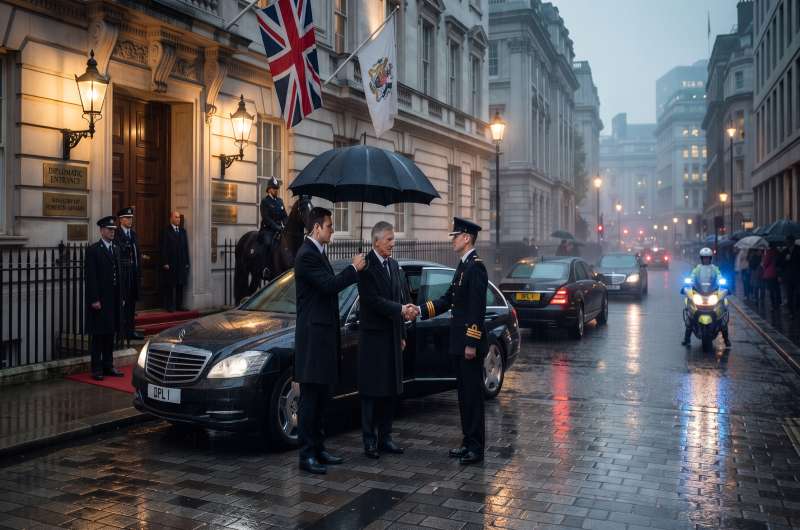
Diplomatic travel can involve airport arrivals, embassy meetings, government offices, private events, and several movements with an official delegation. Diplomatic transport needs to account for the full itinerary, passenger list, vehicle requirements, and airport arrangements.
IATA recorded 109.7 million international premium-class passengers in 2025, showing the volume of international air travel that involves premium and executive passengers.
For an official visit, the transport plan should match the confirmed itinerary and any security or protocol arrangements set by the relevant authorities.
What Will You Learn In This Diplomatic Transport Guide?
- How Should An Official Airport Arrival Be Arranged?
- What Should Officials Expect From Embassy Chauffeur Services?
- When Might An Armored Diplomatic Vehicle Be Required?
- How Should Official Delegation Transit Be Organised?
- What Goes Into Diplomatic Motorcade Logistics?
- What Should Officials Check Before Booking
How Does VIP Diplomatic Transport Work Step By Step?
1. Plan The Official’s Airport Arrival
The airport arrival sets the starting point for the visit.
- Confirm The Flight And Passenger Details: Provide the confirmed arrival time, flight number, passenger names, luggage requirements, and number of accompanying officials. If the flight changes, pass the updated details to the transport team as soon as possible.
- Confirm The Airport Pickup Point: Agree on the exact pickup location before the travel date. This could be a terminal meeting point, private aviation facility, or another location specified by the airport or authorised team.
- Give The Chauffeur A Clear Brief: The chauffeur should have the passenger name, pickup point, destination, scheduled time, and authorised contact. Avoid sharing itinerary details that are not needed for the assignment.
Need to decide between an armored car pickup and a tarmac transfer? Compare armored car pickup and tarmac transfer options to see how each arrangement works and which requirements to confirm before booking.
2. Coordinate Transport With The Official’s Itinerary
Official travel also involves advance coordination. The United Nations’ official travel rules require travel to be authorised in advance, including the dates, mode, route, and standard of travel. This is why the ground transport plan should follow the confirmed official itinerary.
- List Every Planned Movement: Include airport transfers, meetings, hotel movements, official functions, and the return airport journey. Add expected departure times and waiting periods where known.
- Decide When The Vehicle Needs To Wait: If the chauffeur needs to remain near a meeting or event, include the waiting period in the booking.
- Match Vehicles To Each Movement: Consider passenger numbers, luggage, equipment, and seating requirements before assigning vehicles. A larger delegation may need several vehicles.
For larger groups, group transportation services can be arranged around the scheduled movements.
3. Select An Armored Diplomatic Vehicle When Required
An armored diplomatic vehicle should be selected according to the requirements set by the official’s security team or other authorised personnel.
- Follow The Security Team’s Requirements: Do not assume that every diplomatic visit requires an armored vehicle. The need for one depends on the approved security arrangements for the visit.
- Match The Vehicle To The Passenger Count: Check the number of passengers, luggage, and equipment before confirming the vehicle. If several vehicles are required, assign passengers in advance.
- Keep Transport And Security Responsibilities Separate: The chauffeur’s role is transportation. Security decisions should remain with the responsible security professionals and authorities.
4. Set Standards For Embassy Chauffeur Services
Embassy chauffeur services can involve repeat journeys, sensitive schedules, and passengers who expect professional conduct throughout the assignment.
- Set Clear Chauffeur Standards: Confirm expectations for punctuality, dress, communication, vehicle presentation, and passenger interaction before the visit.
- Maintain Passenger Privacy: Passenger names, meeting schedules, hotel details, and other travel information should only be shared with people who need it for the assignment.
- Use One Authorised Contact: For a complex visit, designate one person to communicate transport updates and approve changes. This reduces the chance of different people giving conflicting instructions.
5. Organise Official Delegation Transit
A delegation may include government officials, diplomatic staff, security personnel, advisers, interpreters, or other members of the official party.
- Create A Passenger And Vehicle List: Prepare a list showing each passenger, assigned vehicle, pickup location, destination, and scheduled movement. Include luggage or equipment requirements where needed.
- Select Vehicles Based On Group Size: Consider more than the number of passengers. Luggage, equipment, seating requirements, and whether certain passengers need to travel together can affect the vehicle plan.
- Keep The Movement Schedule Consistent: Each chauffeur should receive the same approved schedule for the assigned movement. Any changes should come through the authorised transport contact.
6. Coordinate Diplomatic Motorcade Logistics
When several vehicles travel together, each vehicle needs a defined role within the approved movement plan.
- Give Each Vehicle A Clear Assignment: Specify the passenger group, destination, pickup time, and role for every vehicle.
- Follow The Authorised Security Plan: Route decisions, vehicle positioning, and other security measures should come from the responsible security or protocol team.
- Confirm Venue Access: Check access arrangements before arrival at government buildings, hotels, conference venues, or other restricted locations. Where permits or designated entrances are required, confirm them in advance.
7. Manage Transport For A Multi-Day Official Visit
A multi-day visit needs one transport plan covering the full period rather than separate arrangements for each journey.
- Create One Plan For The Full Visit: Include airport transfers, daily movements, evening functions, hotel transportation, and departure arrangements.
- Book Standby Vehicles When Required: A standby vehicle may be needed when an official has several meetings with limited gaps between them. Confirm this requirement when making the booking.
- Prepare For Schedule Changes: Meetings can run late and flight times can change. Agree in advance who can approve changes and how revised instructions will reach the transport team.
8. Plan The Official’s Departure
The final airport journey needs the same level of preparation as the arrival.
- Confirm The Final Airport Transfer: Check the departure time, pickup location, passenger count, luggage, and airport access requirements.
- Confirm Private Aviation Arrangements: If the official is departing on a private aircraft, confirm the correct terminal, FBO, or private aviation facility before assigning the vehicle.
- Plan The Final Airport Handover: Confirm where the chauffeur’s responsibility ends and who receives the passenger at the airport.
What Else Should Officials Consider Before Booking Diplomatic Transport?
Limit Access To Passenger Information
Only provide the transport team with information needed for the assignment. Passenger names, hotel details, meeting locations, and schedules should not be distributed more widely than necessary.
Confirm Standby Requirements
If a vehicle needs to remain available between meetings, include the standby period in the original booking rather than treating it as an additional request later.
Review Sustainability Requirements
Some official visits include environmental requirements that can affect vehicle selection and the number of vehicles used.
For official visits with sustainability requirements, organisations can contact Limossist about sustainable transportation solutions and discuss the requirements of their itinerary.
Book Complex Visits Early
A visit involving several vehicles, multiple venues, airport movements, and standby periods requires more preparation than a single transfer.
Booking early gives the transport team time to review the itinerary and confirm vehicle requirements.
Consider The Full Visit Before Confirming The Booking
Before booking diplomatic transport, review the complete itinerary, passenger list, vehicle requirements, airport arrangements, waiting periods, and any instructions from the authorised protocol or security team.
Let Us Handle Your Diplomatic Transport Planning
Diplomatic transport requires coordination across airport arrivals, official meetings, delegation movements, security requirements, and final departure. A clear transport plan gives the chauffeur team the information needed before the visit begins.
If you are arranging government official transport, embassy chauffeur services, an armored diplomatic vehicle, or transportation for an entire delegation, contact Limossist to discuss your itinerary and transportation requirements.
Send your visit details to the Limossist coordination team and start planning your diplomatic transport today.
Frequently Asked Questions
How Can Our Embassy Book Diplomatic Transport Services With Limossist?
Official transport requests can be initiated securely by contacting the 24/7 coordination team directly at [email protected]. Limossist recommends initiating bookings 14 to 30 days before a state visit or summit to allow time for airport ramp permits and armored vehicle allocation.
What Vetting And Background Clearances Do Your Protocol Chauffeurs Undergo?
Every chauffeur assigned to a diplomatic mission undergoes national security background checks, regular psychological evaluations, and strict non-disclosure requirements. Multilingual drivers also hold certified credentials in executive protection and advanced defensive driving. Driver profiles can be forwarded to the embassy’s security attaché before the operation.
How Are Airport Tarmac Pickups And Airside Access Legally Coordinated?
Limossist coordinates with the embassy to submit formal requests to local civil aviation and border control authorities and secure the required airside permits. Once approved, the executive fleet can position directly at the aircraft stairs, allowing passengers to avoid public immigration queues where airport procedures permit.
Can Your Diplomatic Transport Team Integrate With Our Official Security Detail Or Local Law Enforcement?
Yes. Before the delegation arrives, convoy commanders can participate in joint briefings with personal protection officers, local municipal police outriders, and federal agencies. Operations can use shared secure radio frequencies to support unified command and dynamic rerouting during transit.
What Specific Ballistic Ratings And Safety Features Do Your Armored Vehicles Feature?
Limossist’s discreet armored fleet includes vehicles engineered to high international standards of ballistic and blast protection. Depending on the vehicle, features include reinforced protective armor, run-flat tire systems, self-sealing fuel tanks, and redundant communication arrays.
How Does Your Command Center Handle Sudden, Unannounced Itinerary Shifts During A Summit?
Limossist’s dedicated global team operates 24/7/365 and uses real-time tracking for fleet assets. High-level missions can include dedicated backup vehicles and on-call drivers, allowing dispatchers to adjust routes and vehicle assignments when ministerial schedules change.
What Geographic Regions Does Limossist Cover For Diplomatic Transport?
Limossist provides protocol transportation across major international commercial hubs, political capitals, and summit locations, including regions across Europe, Asia, the Middle East, and the Americas. Availability, vehicle types, and local arrangements can be confirmed based on the destination and requirements of the diplomatic visit.
Sources
IATA, “IATA Releases 2025 World Air Transport Statistics”
https://www.iata.org/en/pressroom/2026-releases/07-16-iata-releases-2025-world-air-transport-statistics-report/
United Nations, “Travel and Relocation Expenses”
https://policy.un.org/en/travel-and-relocation-expenses