If you are arranging a business trip from the UK to Europe, whether it is a board meeting in Paris, a trade conference in Frankfurt, or a deal-closing dinner in Milan, choosing the right UK to Europe chauffeur service carries more weight than most people realize.

A delayed transfer, a driver unfamiliar with executive protocol, or a vehicle that does not align with your client-facing image can quietly undermine the impression you have spent months building.

This guide is for travel coordinators and executives who want to approach cross-border travel with more structure, clarity, and control, not just comfort.

Here is What You Will Take Away From Reading This

  • How the UK to Europe Chauffeur Service model differs from standard car hire in structure and execution
  • How to select the right vehicle class based on different types of business travel requirements
  • Key border, protocol, and documentation considerations for cross-border journeys
  • Ground transport expectations for major conferences and investment summits across Europe
  • Practical insights on route planning, timing, and efficient travel coordination

Understanding the Dynamics of UK to Europe Cross-Border Ground Transport for Business Travel

Growing Demand for Premium Cross-Border Ground Transport in Europe

The numbers make that evident. According to Mordor Intelligence, the European luxury car market is projected to grow at a CAGR of 6.39% through 2031, driven in large part by demand for chauffeured and executive transport across business corridors. 

Meanwhile, data from Talent Everywhere’s 2026 Business Travel Outlook shows that 84% of travel buyers expect their company’s travel volume to either stay the same or increase this year, with fewer than 15% anticipating declines. That tells you something: corporate travel is not pulling back. It is recalibrating toward quality.

And the European Travel Commission’s 2026 report notes that safety and flexibility are now primary factors shaping demand for travel across Europe, particularly among long-haul and business travelers. That has a direct knock-on effect on how companies approach ground transport: they are choosing managed, vetted services over ad-hoc arrangements.

UK to Europe Cross-Border Chauffeur Service Compared With Standard Car Hire

This is a question a lot of travel managers ask, and it deserves a straight answer.

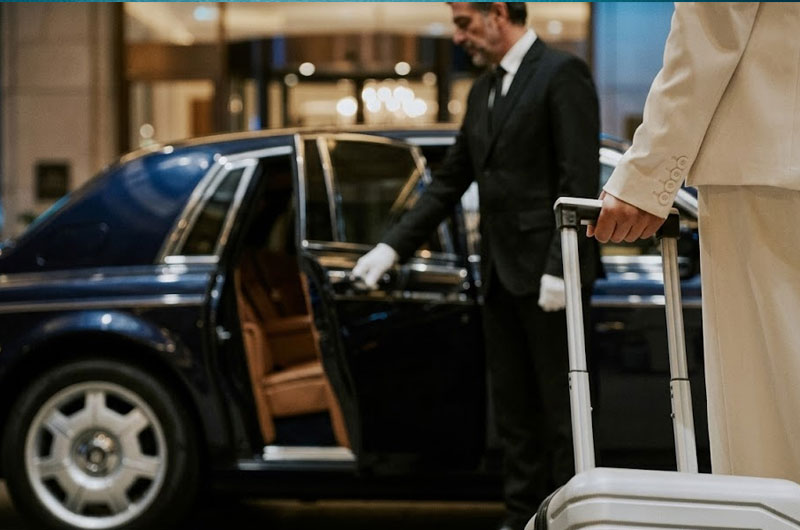
When you hire a car, you get a vehicle. When you book a UK to Europe Chauffeur Service, you get a coordinated logistics operation. The driver is not just there to steer. They are responsible for border documentation, route adjustments in real time, communication with your team on the ground, and maintaining the standard of conduct that a senior executive expects throughout a multi-leg journey.

The difference shows up most clearly when something goes wrong. A typical rental car situation puts the burden entirely on you. A properly managed chauffeur service has a support team behind it.

For cross-border journeys, this matters even more. Crossing from the UK into mainland Europe involves customs considerations, vehicle compliance in different countries, and, in some cases, specific permits depending on the destination city. Paris, for instance, has Low Emission Zones (ZFE) that restrict older or non-compliant vehicles outright. Amsterdam and Brussels have similar urban access regulations. A chauffeur service operating at the executive level manages all of this before the journey begins.

Vehicle Options for UK to Europe Cross-Border Business Travel

This depends on the purpose of the trip, not just personal preference. Here is a breakdown that actually helps:

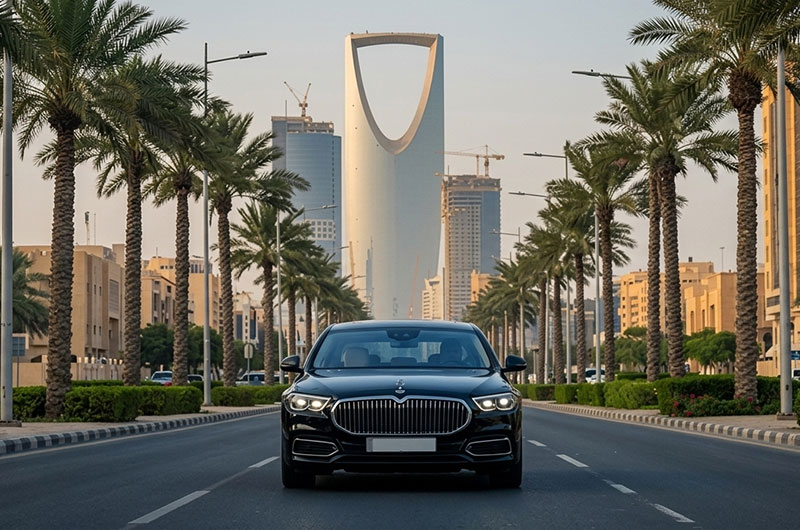
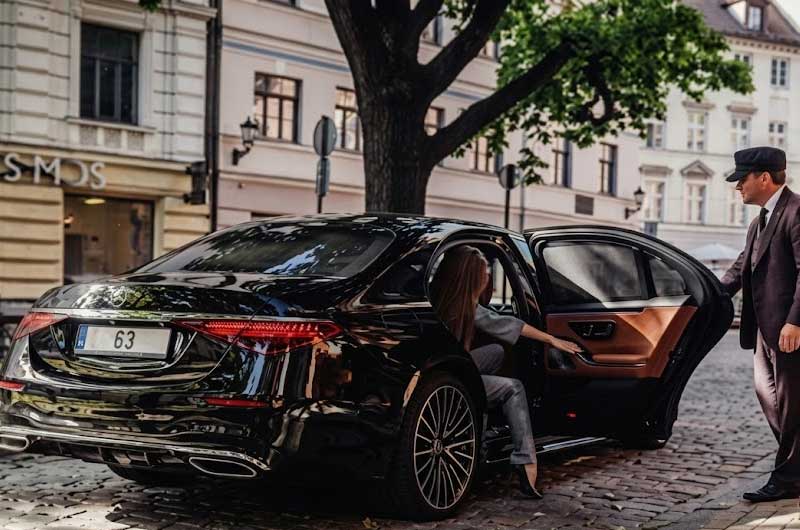
  • For one-on-one executive travel or client-facing meetings, the Mercedes S-Class is commonly used in senior business transport across Europe. It is chosen for its comfort, discretion, and professional appearance without being overly attention-seeking. It is often considered a standard option for VIP ground travel.
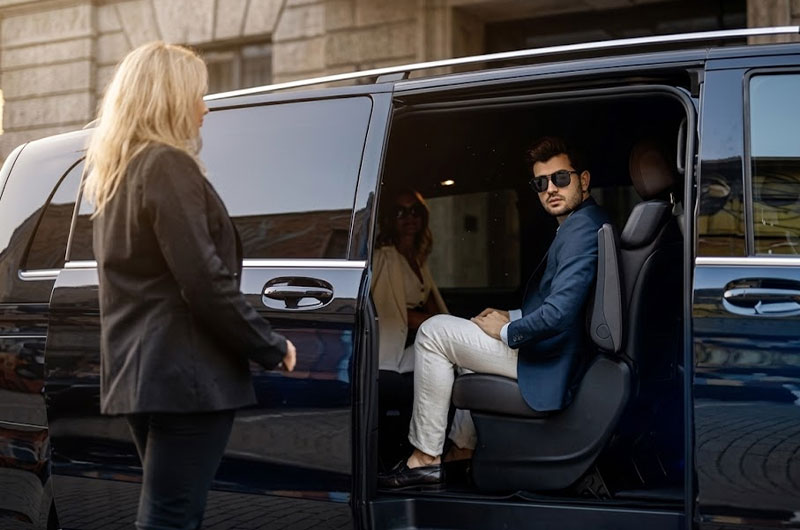
  • For small delegations of around 3 to 6 people, an executive SUV such as the Range Rover Vogue is typically suitable. It provides enough space for group travel while maintaining comfort on longer journeys and a level of presence appropriate for senior executives.
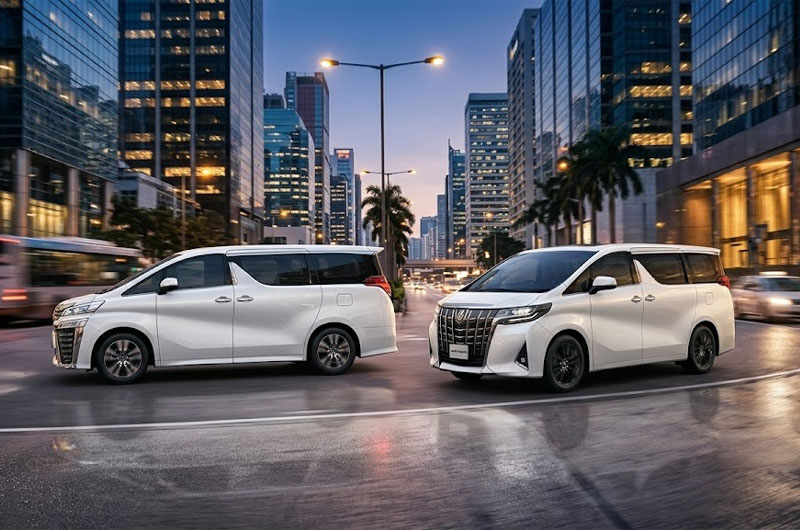
  • For larger business groups, roadshows, or delegation travel, the Mercedes-Benz Sprinter in a luxury configuration is often used. It can accommodate up to around 14 passengers and is designed to support group movement where maintaining comfort and continuity during travel is important, especially for multi-day events or conferences.
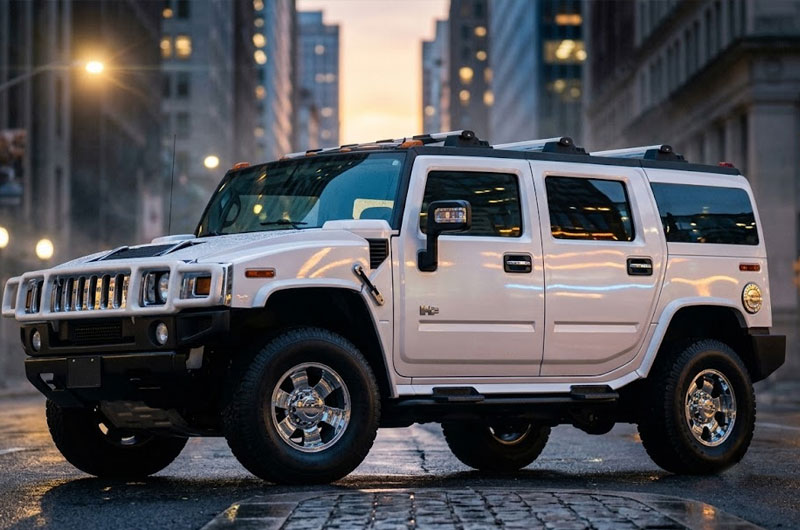
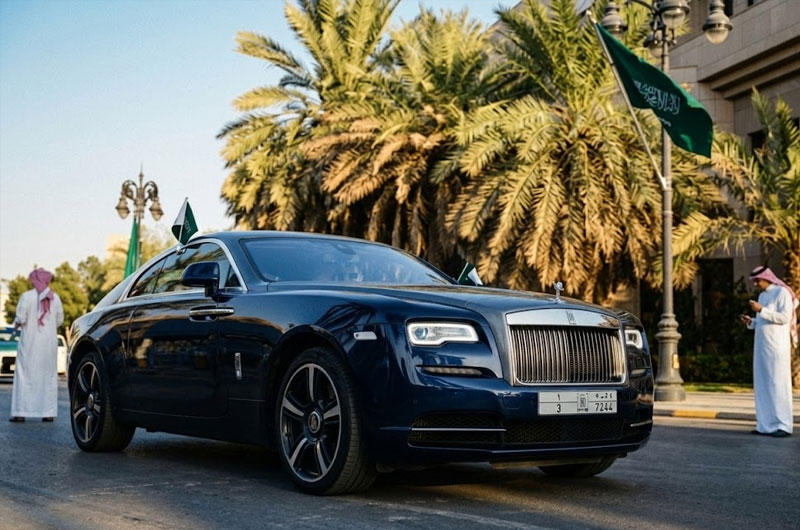
  • For high-visibility arrivals or occasions with symbolic importance, a Rolls-Royce may be selected. This is less about operational need and more about context, such as investor meetings, government-related engagements, or formal events where arrival style carries additional significance.

These vehicle options are typically offered by established executive transport providers such as Limossist, depending on availability and location.

Key Factors That Influence Chauffeur Service Costs for UK to Europe Travel

Cost is one of the areas where expectations and reality diverge most often. Here is an honest breakdown:

  • Distance and journey time are the primary cost drivers, not just mileage. A journey from London to Paris via Eurostar, including vehicle positioning, waiting time at Gare du Nord, and onward transfer, is a different proposition from a one-hour airport run.
  • Vehicle class affects cost significantly. A Mercedes S-Class transfer from London to Brussels will cost more than an executive MPV, but the gap is narrower than most people expect once you factor in the value of the specific experience being delivered.
  • Wait time and standby arrangements are often underestimated in budgets. If a meeting runs three hours over schedule, the chauffeur is still there. That time is typically billed at a standby rate. Build this into your planning.
  • Multi-day arrangements often come with better value because the vehicle and driver are retained for the duration rather than dispatched per journey. For a three-day investor roadshow, for example, a retained arrangement typically works out more cost-effectively than booking individual transfers.

For a clear overview of how limo hire costs are structured and what the variables look like in practice, this cost of limo hire guide breaks it down well.

Border and Documentation Requirements for UK to Europe Travel

Since Brexit, UK to mainland Europe travel involves a set of logistical considerations that did not exist before 2021. Here is what actually matters for ground transport:

  • Passport control timing. Whether traveling via Eurostar or a channel crossing, UK passport holders now go through dedicated non-EU passport lanes. This adds time. A chauffeur waiting on the European side needs to account for realistic arrival times, not pre-2021 averages.
  • Vehicle documentation. For a UK-registered vehicle traveling into EU countries, the driver must carry proof of insurance valid in the destination country, the vehicle registration document, and, in some cases, a GB sticker (still required in certain EU countries). Any professional chauffeur service operating cross-border routes manages all of this routinely.
  • Green card insurance. While the UK has arrangements with many EU countries, not all policies automatically extend full cover across all EU member states. A reputable chauffeur operator will have this confirmed before any cross-border journey.
  • Country-specific rules. France requires a breathalyzer kit to be carried in the vehicle. Germany has specific rules about winter tires in winter conditions. Austria has a mandatory motorway vignette. These are not large obstacles, but they need to be handled correctly.

Structuring UK to Europe Cross-Border Travel for Investment Roadshows

Yes, and this is actually one of the most demanding use cases for cross-border chauffeur services. A financial roadshow typically involves a senior executive or IR team visiting multiple cities over three to seven days, meeting institutional investors, analysts, and fund managers.

The transport demands are specific:

  • The schedule is dense and often changes the night before or the morning of
  • Discretion is paramount (you are meeting investors in different cities who may not know each other)
  • Presentation materials, laptops, and documents need safe and dry storage in the vehicle
  • The executive needs to be able to review notes or take calls in full privacy during transfers
  • Hotels, venues, and meeting rooms across multiple cities need to be coordinated

For this type of trip, a single retained vehicle and driver for the duration, or a coordinated handoff between verified operators in each city, is the right arrangement. The executive limousine model is designed for exactly this. 

Arriving Is Only Half the Journey in European Business Travel

Getting from the UK to Europe is one logistics challenge. But once you land in Paris, Frankfurt, Brussels, or any other major European business hub, a second challenge begins immediately: moving efficiently and professionally within the city itself.

European capitals are not built for improvisation. Urban access restrictions, congestion zones, dense conference districts, and the unforgiving nature of back-to-back meeting schedules mean that your in-city ground transport deserves the same level of planning as the cross-border leg that preceded it. A chauffeur service does not stop being relevant at the border in many ways; that is where it becomes most critical.

The Role of In-City Chauffeur Services in European Business Travel

European Business Cities With High In-City Ground Transport Complexity

Not all cities are equal when it comes to ground transport complexity. Here are the ones that create the most logistical demands, along with what you need to know for each:

  • Paris: The French capital has some of the most complex urban access regulations in Western Europe. The ZFE (Zero Emission Zone) restricts Crit’Air category 3 and above vehicles in large parts of the city, so any chauffeur service must ensure full compliance. For example, in Paris, a chauffeur may already be positioned near key transport hubs such as Gare du Nord to ensure smooth pickups despite schedule variability.
  • Frankfurt: Frankfurt is Germany’s financial center and hosts events like the Frankfurt Motor Show and the Euro Finance Week, which draws over 4,000 executives annually. The city’s Messe Frankfurt venue complex requires specific drop-off and pickup protocols. Traffic around major event dates is substantial. A chauffeur who knows the venues and the timings is not a luxury here; it is a practical necessity.
  • Brussels: As the seat of EU institutions, Brussels sees constant movement of senior officials, lobbyists, and corporate delegations. The European Quarter around Schuman is notoriously congested, particularly on days when EU Council or Parliament sessions are active. If your meeting is in that area, your driver needs to know the vehicle access rules and the alternative routes.
  • Amsterdam: The Dutch capital has implemented some of the strictest urban access rules in Europe. Diesel vehicles are increasingly restricted, and much of the canal-side city is pedestrian-only. Knowing where to position a vehicle, which hotels have proper executive drop-off points, and how to navigate around the city center takes operational knowledge, not just a GPS.
  • Milan: Milan’s Area C congestion charge zone requires advance payment and applies to the historic center. Any journey ending at a hotel inside the zone needs this factored in. Milan is also one of the most image-conscious cities in Europe; the vehicle and driver presentation matter more here than almost anywhere else.

Requirements for Major Conferences and Investment Summits from In-City Chauffeur Services

Large-scale conferences, think Davos overflow events, Private Equity conferences, Fintech Forum in Frankfurt, or the Web Summit in Lisbon, create very specific ground transport pressures:

  • Simultaneous arrivals. When 2,000 delegates are arriving within a 90-minute window, a single-vehicle arrangement is not enough. Travel coordinators managing delegations need a fleet arrangement with staggered vehicle deployment.
  • Protocol seating. Senior executives should not share vehicles with junior staff unless specifically requested. A well-run chauffeur service understands this without being told. The vehicle allocation should reflect the internal hierarchy of the traveling party.
  • Confidentiality. Business conversations happen in cars. Discretion is not just expected; it is a condition of trust. Drivers who are professionally trained understand that what they hear stays in the vehicle.
  • Real-time schedule changes. Conference programs shift. Meetings run long or end early. The chauffeur service needs to be reachable and responsive in real time, not locked into a rigid schedule.
  • Pre-event reconnaissance. For high-stakes presentations or investor meetings, knowing the venue’s exact entrance, the parking or holding area for vehicles, and the estimated internal walking time from drop-off to the meeting room is the kind of detail that makes the difference between a calm arrival and a flustered one.

If you are organizing transport for a corporate group heading to a European summit, consider booking a stretch limo, as it can be a practical option for coordinated group travel and formal arrivals.

Final Take: Choosing a UK to Europe Chauffeur Service for Business Travel

Let us be direct. If you are traveling solo to a routine meeting and budget is the priority, a combination of rail and local taxi will get you there. But if the trip involves a senior executive, a client interaction, a high-stakes presentation, or a multi-city itinerary where consistency and reliability matter, then a properly managed UK to Europe Chauffeur Service is not a luxury. It is the most reliable way to ensure the ground transport part of the trip does not become the part everyone remembers for the wrong reasons.

The market data, the operational complexity, and the experience of those who do this regularly all point in the same direction: when the stakes are real, professional chauffeur services earn their place in the travel budget.

Frequently Asked Questions

What happens if my travel plans change after booking a UK to Europe chauffeur service?

Professional chauffeur services are designed to handle changes smoothly. Whether your meeting runs late, your departure time shifts, or your destination changes, most providers can adjust the schedule accordingly. Advance notice helps, but flexibility is built into the service, especially for UK to Europe business travel.

Can I travel overnight between the UK and Europe with a chauffeur?

Yes, overnight travel is possible and often preferred for longer UK to Europe routes. Chauffeur services can plan rest stops or even multi-day itineraries, depending on the distance and passenger requirements. This allows travelers to avoid peak traffic hours and arrive refreshed for early business commitments.

Is luggage capacity a limitation for UK to Europe chauffeur travel?

Luggage capacity depends on the vehicle selected, but it is rarely a limitation when planned correctly. Executive saloons handle standard business luggage comfortably, while SUVs and MPVs are ideal for UK to Europe corporate teams or extended business trips with additional baggage. A good provider will recommend the right vehicle based on your luggage needs in advance.

How is driver professionalism maintained across UK to Europe chauffeur journeys?

Chauffeur services maintain strict standards through training, background checks, and service protocols. Drivers are trained not just in navigation but also in client handling, discretion, and long-distance travel management. This ensures consistency in service quality across UK to Europe business journeys, regardless of distance.

Can UK to Europe chauffeur services accommodate special travel requirements?

Yes, most high-end services can handle specific requests such as accessibility needs, scheduling preferences, or custom in-car amenities. These requirements are usually arranged during booking to ensure everything is ready before your UK to Europe business journey begins.

What makes UK to Europe chauffeur travel a better experience for groups compared to other options?

For groups, UK to Europe chauffeur travel simplifies coordination by keeping everyone together in one vehicle or a managed fleet. It removes the need for multiple bookings, reduces delays, and ensures consistent service for all passengers. This is especially useful for corporate teams, business events, or multi-city professional travel.

Sources

Europe Luxury Car Market Size & Share Analysis – Growth Trends and Forecast (2026 – 2031)

https://www.mordorintelligence.com/industry-reports/europe-luxury-car-market

Long-haul travelers grow more cautious in 2026, while safety and flexibility shape demand for Europe

https://etc-corporate.org/news/long-haul-travellers-grow-more-cautious-in-2026-while-safety-and-flexibility-shape-demand-for-europe/

Measured Optimism, Persistent Concern: A Look at Business Travel in 2026

https://www.talenteverywhere.org/Mobility-News/Article/measured-optimism-persistent-concern-a-look-at-business-travel-in-2026

The executive suite and the finance department are in an ongoing tug-of-war in the high-stakes corporate travel world. On the one hand, travel costs appear to be increasing each quarter. On the other hand, top-level managers need hassle-free, quality, and smooth transportation to deliver their best.

The myth that cutting budgets equates to exchanging a smooth executive sedan for a cramped rideshare or a low-quality car service is widespread. 

But what if the opposite were true?

Companies are seeing a major shift from manual booking to more structured, system-driven approaches to reduce executive transportation costs. Numerous organizations are saving 10-30% on executive transportation costs while enhancing their teams’ experience. It is not about spending less on the person; it is about spending more intelligently on the process. Are you ready to stop overpaying for inefficiency?

What This Guide Breaks Down for You

  • Why reactive planning is costing you more than you think
  • 5 smart strategies to reduce executive transportation costs
  • How optimization makes the experience even better
  • How everything comes together in a real-world scenario
  • Why smarter transportation beats cheaper transportation

Why Reactive Planning Is Costing You More Than You Think?

Some companies still manage executive travel reactively. An executive requires a ride to the airport? A local car service is booked at the last moment. Is the guest a VIP? Someone on the team spends valuable time calling around to find a suitable option.

This approach creates inefficiencies that are easy to overlook but expensive over time. Companies often end up paying higher last-minute rates, dealing with inconsistent vehicle quality, and covering costs for vehicles that sit idle while waiting. The lack of planning also leads to unnecessary stress and coordination challenges for internal teams.

Research by Deloitte showed that companies focusing on optimizing their travel spend reported an average shift of 28% toward more cost-efficient strategies in 2025. This highlights a broader trend: businesses are recognizing the hidden cost of reactive planning and the need for a more structured approach.

What Are the Smart Strategies to Reduce Executive Transportation Costs?

Strategy 1:  Let the Specialists Take Care of It Instead

Why own a fleet when you only need the service? Maintaining company-owned vehicles comes with heavy capital expenditure and ongoing operational responsibilities. From purchasing luxury cars to handling maintenance, insurance, and staffing, the burden quickly adds up.

By outsourcing, companies remove the responsibility of owning and managing vehicles altogether. Instead of dealing with internal logistics, they gain access to a ready, professional setup.

  • Eliminate vehicle depreciation and resale losses
  • Remove the complexity of chauffeur payroll, training, and benefits
  • Ensure consistent access to a standardized, high-end fleet across cities

This ensures consistent service quality across locations, which is difficult to maintain with in-house fleets.

Strategy 2: Scaling Your Ride Like You Scale Your Software

Fixed costs can quietly drain a transportation budget. Owning vehicles means ongoing expenses, even when they are not in use.

A more efficient approach is to adjust transportation based on actual demand. This ensures the right vehicle is always available, improving both comfort and reliability. During busy periods like conferences or major events, companies can increase the number of vehicles, including larger options such as the GMC Yukon or Chevrolet Suburban. When demand slows down, fewer vehicles are needed, and costs naturally decrease.

Strategy 3:  Buying in Bulk Works for Luxury Travel Too

When bookings are consolidated under one provider, companies benefit from volume-based pricing advantages. Instead of arranging trips individually, grouping demand allows access to better negotiated rates. 

This allows businesses to access high-quality vehicles and white-glove service at more optimized prices than booking trips individually. It maintains premium service standards while reducing costs.

More details on how these rates are structured can be found by looking into the cost of limo hire and how it fits into a corporate budget.

Strategy 4: Adopt Modern Systems to Improve Efficiency

Technology is no longer a nice-to-have but a necessity in the financial sense. Data is used on modern platforms to cut fat from travel spend and optimize business travel logistics. This leads to smoother, more reliable journeys for executives.

  • Smart Route Optimization: A smart route can save up to 15% of fuel. Geotab research has shown that optimized routing greatly reduces travel time and idling, which directly translates to reduced invoices.
  • Predictive Maintenance: Predictive maintenance is an AI approach that can reduce maintenance costs by 20-30 percent by detecting mechanical problems before they cause failures. It implies increased dependability among the executives and reduced service breakdowns in VIP Premium SUV vehicles such as the Range Rover Vogue.
  • Fleet Telematics: Monitoring driver behavior helps companies ensure their drivers drive efficiently. Verizon Connect reports that the average fuel costs at the companies where telematics were applied fell by 11%.

Strategy 5: Optimize Travel with Group Transportation

The most effective method of saving is sometimes to unite people. When five executives are going to the same place, why send five different sedans? Executive vans such as the Mercedes-Benz Sprinter or luxury MPVs such as the Lexus LM would significantly lower the cost per head. Executives still travel comfortably without compromising on space or experience.

Industry data from the Global Business Travel Association (GBTA) suggests that ground transportation rates are stabilizing, but remaining higher than pre-pandemic norms. This makes group coordination more than just a convenience; it is a vital strategy to maintain a sustainable transportation solution while managing rising per-attendee costs.

Proof That Optimization Makes the Experience Even Better

It sounds like a paradox, doesn’t it? What is the way through which one can spend less and have a better experience? The answer lies in the “hidden” value of time. Optimized travel results in a skyrocketing increase in executive productivity. A cool and secretive ambiance within a Rolls-Royce Ghost or Bentley Mulsanne enables a leader to accept a private phone call or complete a presentation without the intrusion of a shuttle.

The worry about where your driver disappears is gone with real-time tracking. In addition, brand perception remains high. Coming in a fine-furnished, high-end car, such as a Jaguar XJL or Mercedes-Maybach S-Class, conveys an air of prosperity to customers. 

By choosing to reduce executive transportation costs through efficiency rather than cutting corners, the comfort and well-being of the team are actually enhanced. 

Who wouldn’t perform better after a stress-free, smooth ride?

How Limossist Fits Into This Modern Framework?

A mid-sized tech firm coordinating a three-day board member roadshow across four cities was initially planning to book individual rides for each executive. This approach would have meant managing dozens of bookings, inconsistent vehicle quality, and a heavy coordination burden on the internal team.

With support from Limossist, the plan was restructured into a more streamlined setup. Group transfers were arranged using two Mercedes-Benz Sprinters, while a dedicated Cadillac Escalade was assigned for the CEO’s individual meetings. All movements were coordinated through a single point of contact, ensuring the entire group arrived on time at each location without delays.

By shifting to this more organized approach, the company reduced its projected transportation spend by around 20% while significantly simplifying logistics. Rather than handling multiple receipts and last-minute coordination, the team was able to focus fully on their meetings and investor interactions.

Smarter Transportation Beats Cheaper Transportation Every Time

The reduction of costs should not be a punishment at the end of the day. It must seem a step up in strategy. 

Savings in the long run = Strategy + Technology. 

When transportation is regarded as an investment and not a line-item expense, the outcome speaks volumes. 

To understand how such a streamlined system can be implemented, one can think of the convenience of making a reservation for airport limo service as the first step to a more optimized future in corporate travel, and to reduce executive transportation costs effectively.

Frequently Asked Questions

How can companies measure the success of their executive transportation strategy?

Success can be measured through clear metrics such as on-time performance, cost per trip, and executive satisfaction. Tracking these indicators over time helps identify inefficiencies and areas for improvement. A well-managed strategy should show consistent service quality while keeping spending predictable and controlled.

What role does data reporting play in managing transportation budgets?

Detailed reporting provides visibility into where money is being spent and where adjustments can be made. It helps companies identify patterns such as peak usage times or unnecessary expenses. With better insights, decision-makers can plan more effectively and avoid budget surprises.

How can executive transportation support corporate branding?

Transportation is often the first and last impression during business interactions. A well-organized, premium travel experience reflects professionalism and attention to detail. This can strengthen client trust and reinforce the company’s image as reliable and high-quality.

What are the risks of inconsistent transportation services for businesses?

Inconsistent service can lead to delays, missed meetings, and frustration for executives. It also creates uncertainty, making it harder to plan schedules effectively. Over time, this can impact both internal efficiency and external business relationships.

How can companies handle last-minute transportation changes without disruption?

Handling last-minute changes requires a flexible system with real-time coordination and quick response capabilities. Having access to a wide network of vehicles and support teams ensures that adjustments can be made without affecting schedules. This flexibility is key to maintaining smooth operations.

Why is transparency in pricing important for executive transportation?

Transparent pricing helps companies understand exactly what they are paying for and avoid hidden costs. It also builds trust with service providers and makes budgeting more accurate. Clear cost structures allow businesses to make informed decisions without unexpected expenses.

Sources

Deloitte Report: Mixed Outlook for Business Travel

http://businesstravelnews.com/Intelligence/Deloitte-Report-Mixed-Outlook-for-Business-Travel

How Route Optimization Helps Cut Costs, Boost Efficiency and Deliver Better

https://www.geotab.com/uk/blog/how-route-optimisation-helps-cut-costs-boost-efficiency-and-deliver-better/

Fleet Management Trends: Innovation in the Public Sector

https://www.verizonconnect.com/resources/article/government-fleet-management-trends/

Global Business Travel and Events Prices Set to Stabilize Through 2025 and 2026

https://gbta.org/global-business-travel-and-events-prices-set-to-stabilize-through-2025-and-2026-amid-looming-economic-uncertainty/

You’ve done the Dubai–Muscat flight. A 40-minute flight, two hours at the airport beforehand, baggage collection at the other end, and a taxi to the city. 

By the time you do the math, that “quick flight” wasn’t quick at all. So here’s a thought worth sitting with: what if the journey itself became the best part of the trip?

One of the most rewarding transfers in the Gulf is the Dubai to Muscat road route. Mountains, open desert, a proper international border crossing, and a comfortable cabin that could move with you at your speed. No gates, no lines, no strangers in the middle seat.

This guide comes from hands-on experience running Dubai to Muscat luxury car transfer along this corridor. It covers everything you need to plan the crossing properly, choose the right vehicle, and arrive in Muscat feeling like the journey worked for you rather than against you.

Here’s What You Will Learn:

  • Why driving beats flying on this specific route
  • How the route unfolds and what the road actually looks like
  • Which vehicle suits your group size and occasion
  • What a professional chauffeur manages that a regular driver simply does not
  • How the UAE–Oman border crossing works step by step
  • Which en-route stops are worth adding to your itinerary
  • What pricing looks like and what is included
  • The practical documents and logistics to sort before departure

Why Is a Dubai to Muscat Road Transfer Better Than Flying?

The Dubai to Muscat road covers about 550km, and with your professional chauffeur behind the wheel and easy border crossing, it normally takes you five or six hours to be at your destination in Muscat. That sounds like a lot until you consider the entirety of flying: arriving two hours early at the airport, security, boarding, and a 45-minute flight, deplaning, baggage collection, and another transfer to another city. The actual time difference between the two is negligible.

Quality of experience is what cannot be neglected. According to industry research by the Global Business Travel Association, factors like safety, convenience, and reliability influence ground transportation choices. These are delivered with a chauffeured car.

The luggage factor is also there. There are no weight limits or baggage costs, and there is no risk that your suitcase won’t be delivered a day later than yours. The bags are in the boot and will arrive at your destination. For families traveling with children’s gear or professionals carrying equipment, that alone shifts the decision.

What Does the Dubai to Muscat Road Route Look Like in a Luxury Car Transfer?

Leave Dubai on the E44 heading southeast, and the city thins out faster than you’d expect. Within thirty minutes, the towers are behind you. Within an hour, the Hajar Mountains begin building on the horizon in layers of grey and ochre limestone. The landscape between the two countries is genuinely striking, and it changes character several times across the journey.

The main corridor passes through:

  • E44 toward Hatta: A smooth, fast highway with light traffic outside morning and evening rush windows.
  • Hajar Mountain foothills: Rugged ridgelines, dried wadis, and patches of unexpected greenery at higher elevations.
  • Al Wajajah/Hatta border post: The primary crossing point for this route, connecting the UAE to Oman.
  • Al Batinah Expressway, Oman: A coastal highway running parallel to the Gulf of Oman, carrying you south toward the capital.
  • Muscat Capital Area approach: Wide boulevards, low-rise whitewashed architecture, and a noticeably quieter atmosphere than Dubai.

Oman ranked among the top countries in the Arab world for road safety improvement in the WHO EMRO, with fatality rates on its major highways dropping significantly over the past decade due to infrastructure investment and enforcement upgrades.

The driving time on the Oman side alone, from the border to central Muscat, is approximately two and a half hours under normal road conditions. 

How Do You Choose the Right Vehicle for a Dubai to Muscat Luxury Car Transfer?

The quality of those five or six hours depends on the type of vehicle you opt to travel in. The luxury car transfers between Dubai and Muscat must be comfortable throughout the journey, not merely flashy on the way. Any vehicles traveling on this route by a reputable operator must be fully insured cross-border, registered in the UAE and Oman, and have a roadworthy certificate not something you have to consider when booking, but something you need to check.

  • The executive sedans, such as the Mercedes-Benz S-Class, are the logical selection for individual travelers and couples. Back massaging seats, internal air purification, almost noiseless driving, and a feeling of isolation. Mercedes limo hire guide is a useful starting point for understanding which model fits your specific trip. The BMW i7 limo should be considered seriously if you desire complete cabin quiet. Its all-electric drive system also removes the vibration of an engine, which is a true comfort consideration on a five-hour run. Silence, no sound, no hum, no road.
  • SUVs such as the Range Rover or Cadillac Escalade are also good three or four-seaters. The high-riding position provides rear-seat passengers with a more panoramic view of the mountainous landscape, and the boot can hold a lot more luggage than a saloon.
  • Group transfers include an entirely different approach. The Mercedes-Benz Sprinter executive version provides its own captain seats, conference seating, complete climate zoning, and space that does not make a group of six feel like they are pressed together. In instances where the car itself needs to be noticed, then the Lamborghini Aventador chauffeur service is the type of service that will ensure that the entry to Muscat is truly memorable.

What Does a Professional Chauffeur Handle During a Dubai to Muscat Luxury Car Transfer?

The difference between a driver and a trained professional chauffeur is most visible on a cross-border transfer, where the number of moving parts is higher than in a standard city run. Limossist chauffeurs operating the Dubai to Muscat route are vetted, licensed, and familiar with the specific regulatory requirements that apply when a vehicle crosses an international border. That is not a detail to take lightly. UAE traffic law and Oman’s road regulations differ, and a professional chauffeur is trained in both.

Before the journey even starts, the chauffeur will have completed a full vehicle inspection covering tires, fluids, cabin presentation, and documentation. Departure timing is planned around known border queue patterns rather than left to chance.

During the journey, they manage:

  • Hotel, residence, or airport pickup: Wherever suits your schedule, with flight tracking if you’re departing from DXB or DWC.
  • Cabin environment: Chilled water, refreshments, device charging, and Wi-Fi maintained throughout.
  • Discretion: Everything discussed or reviewed in the cabin stays there, which matters for executives traveling with sensitive commercial information.
  • Cross-border vehicle paperwork: Insurance documentation, temporary import permits, and vehicle registration are all handled without passenger involvement.
  • Multilingual communication: English and Arabic as standard, with other languages available on request at booking.

The goal is that you focus on whatever you need to focus on for five hours, whether that’s a laptop, a phone call, or simply watching the scenery.

How Does the Dubai to Muscat Border Crossing Work for Car Transfers?

The Al Wajajah crossing is a two-process system that operates in parallel, with passenger passport control and vehicle documentation. 

UAE departure

Travelers pass through the UAE departure side of the passport control. Emirates ID holders tap in to the smart gates in less than one minute. Tourist visa holders use the regular lane. In the meantime, the vehicle paperwork is done at the counter next to your chauffeur.

Oman entry

On the Omani side, passengers submit their passports to be allowed in. The majority of Western passport holders, residents of GCC states, and citizens of a wide range of countries can either enter on an e-Visa obtained in advance via the Royal Oman Police portal or be issued a visa upon arrival. The on-arrival process is normally five to ten minutes per individual.

Temporary vehicle import permit

All cars registered outside of Oman should have a temporary import permit during their stay. This is issued upon the border and is an everyday aspect of the crossing. Your chauffeur is the one who does the application and payment at the vehicle processing counter.

Cross-border insurance

UAE motor insurance policies do not automatically cover Oman. The proper cross-border coverage is done by a professional transfer operator who takes the relevant documents before the vehicle starts the trip out of Dubai, and this is confirmed and documented. This is what should be explicitly checked when you make a booking with any operator.

The Oman Ministry of Heritage and Tourism reports that the number of road entries via the UAE border points has been rising steadily over the past few years, indicating the route is becoming more popular among leisure and business travelers. The facilities on each side of the crossing are also improved.

The full crossing typically takes 20 to 40 minutes off-peak. Plan for longer during Eid periods, UAE national holidays, and Friday afternoons.

What Are the Best Stops on a Dubai to Muscat Car Transfer Route?

The ability to pause wherever you like is one of the most genuine advantages of a private transfer over flying. These three stops cover different interests and add varying amounts of time to the overall journey.

Hatta Dam Viewpoint

The reservoir sits in a bowl formed by the Hajar Mountains, and the water takes on a turquoise color in clear conditions. The main viewpoint requires minimal walking and is genuinely photogenic. Budget 15 minutes here. The detour from the E44 adds about 20 minutes total to your journey.

Wadi Shawka

Less visited than Hatta but arguably more dramatic, this dried riverbed cuts through the mountains on the UAE side of the border and offers a raw landscape that contrasts sharply with the highway. It is a stop that experienced chauffeurs on this route tend to recommend to travelers who appreciate scenery over convenience.

Barka, Oman

Located on the Batinah Coast about 70 km before Muscat, Barka is home to one of Oman’s best-preserved forts and a traditional Thursday livestock market if your travel day aligns. It adds about 30 minutes but gives you a first proper encounter with Omani culture before reaching the capital.

Discuss any planned stops when booking so your chauffeur can build them into the route timing without creating pressure on arrival.

How Much Does a Dubai to Muscat Luxury Car Transfer Cost?

This route does not have a fixed pricing throughout the industry, though there are handy reference points. The prices will depend mainly on the type of vehicle used, the number of people, and the inclusion of stops or the booking of the return journey.

The rate quoted is usually inclusive of: chauffeurs, fuel, UAE toll charges, and cross-border car registration. What is outside the quote: Oman entry visa fees, where applicable, and any border fees (not vehicle) for the passenger.

An operator will issue a written booking confirmation that will list the inclusions in a clearly itemized manner. When a quote comes in with no breakdown and no process of confirmation, then it is a red flag to consider seriously. Clear prices and a written reservation are the minimum requirements of a professional transfer service.

When making a round trip, be sure to inquire about combined pricing when you reserve and not consider each leg a separate transaction.

What Documents Do You Need for a Dubai to Muscat Car Transfer?

None of these takes long to sort, but leaving them to the last minute adds unnecessary stress to an otherwise smooth day.

  • Passport validity: Oman requires a minimum of six months’ validity from your arrival date
  • Oman e-Visa: Apply through the Royal Oman Police portal at least 72 hours before travel; approval arrives by email and can be saved offline
  • Omani Rials: UAE dirhams are not accepted in Oman; exchange or withdraw cash before you cross or from ATMs available close to the border on the Oman side
  • Mobile data: Most UAE plans exclude Oman by default; add a roaming bundle or pick up an Omani SIM at a petrol station near the border
  • Clothing: Oman observes modest dress standards in public spaces and at heritage sites; pack a layer if you are planning to stop at cultural locations
  • Departure timing: Leaving Dubai before 8 am avoids morning traffic on the E44 and positions you at the border before the midday queue builds

Limossist’s team handles pre-travel queries as part of the booking process rather than directing passengers to figure it out alone.

Ready to Trade the Airport Queue for the Open Road?

Driving from Dubai to Muscat in a luxury car changes how the journey feels from start to finish. Instead of working around airport schedules and queues, you move on your own time, in your own space, with everything set up for comfort and ease.

A Dubai to Muscat luxury car transfer is not just about getting from one city to another. It is about using those five hours in a way that actually suits you, whether that means working, resting, or simply enjoying the road ahead.

So if you’re considering a Dubai to Muscat luxury car transfer, working with an experienced provider can make the entire journey far more comfortable.

Frequently Asked Questions

How do I know a Dubai to Muscat transfer operator is properly licensed?

In the UAE, private chauffeur services are regulated by the Roads and Transport Authority (RTA) in Dubai and equivalent bodies in other emirates. A licensed operator will have RTA approval for commercial passenger transport and should be able to provide this on request. Their vehicles should carry valid UAE registration, comprehensive insurance that includes cross-border Oman coverage, and the chauffeurs should hold professional driving licenses appropriate for commercial passenger work. Asking for these details before you book is entirely reasonable, and a reputable operator will answer without hesitation.

Can I travel from Dubai to Muscat by luxury car if I only have a UAE visit visa?

Yes, a UAE visit visa does not restrict your ability to exit by road. You simply complete standard UAE passport control at the border, receive your exit stamp, and proceed to the Oman entry on the other side. Your UAE visa status does not affect Oman’s entry process, which is determined by your passport nationality and Oman’s own visa rules. If you hold a multi-entry UAE visa, your re-entry to the UAE on return is covered by that same visa, provided it remains valid.

What happens to my booking if the chauffeur is delayed or the vehicle has a problem?

A professional operator maintains a backup fleet and contingency protocols for exactly this scenario. Limossist operates 24/7 support and can reassign a vehicle and chauffeur without canceling a booking if an issue arises. Before confirming any transfer on this route, ask the operator directly what their process is for vehicle substitution and delay notification. An operator without a clear answer to that question is one to reconsider.

Is there a weight or size limit for luggage on this transfer?

Unlike air travel, there are no formal luggage weight limits on a private car transfer. The practical limit is the boot capacity of your chosen vehicle. An executive sedan comfortably handles two large suitcases and two carry-on bags. An SUV handles considerably more, and the Sprinter van configuration can accommodate large group baggage, sports equipment, or oversized items. If you are traveling with anything unusual in size or quantity, mention it at booking so the right vehicle is assigned from the start.

Are payments secure, and is a written confirmation provided?

A trustworthy operator processes payments through secure, documented channels and provides written confirmation of the booking, the vehicle class, the chauffeur assignment, and the inclusions. If you are asked to pay cash without any booking record, that is a serious concern. Limossist provides booking confirmation by email as standard, and any itinerary changes are documented and communicated in writing before they take effect.

Is the Al Wajajah border crossing open 24 hours?

The Al Wajajah crossing operates around the clock, seven days a week, which makes early morning and late evening departures genuinely viable. Some travelers prefer a pre-dawn departure from Dubai specifically to reach the border before the morning rush and arrive in Muscat by mid-morning with a full day ahead of them. Your chauffeur can advise on the optimal departure window based on your travel date and any known holiday traffic patterns affecting queue lengths on either side.

Sources

Global Business Travel Association (GBTA) & CWT. (2025). 2025 Global Business Travel Forecast.

GBTA Ground Transportation Research.

Ministry of Heritage and Tourism, Sultanate of Oman. (2026). Tourism Statistics & Arrivals via All Ports (2018–2026).

Oman Open Data Portal.

World Health Organization (WHO) Eastern Mediterranean Region. (2021). Oman’s drive towards road safety.

WHO EMRO News.

Middle East Briefing. (2025). Investing in Oman’s Tourism: Key Trends and Opportunities.

Tourism Infrastructure & Growth Report.

Okay, so you are to travel between Saudi Arabia and Egypt. 

Are You Doing it Right?

One of the most dynamic business corridors in the whole Arab world is between Saudi Arabia and Egypt. Executives, government officials, investors, and corporate delegations are crossing between these two countries each and every week. But even now, many high-level travelers treat their transportation as an afterthought and book it last, compromising on what they get and almost always arriving with a headache.

The way you travel speaks volumes about the way you conduct business. If you’re flying business class and walking into a boardroom in Cairo, your ground transfer should match that standard. This is exactly where an executive chauffeur service from Saudi Arabia to Egypt is not only a comfort but also a strategic move.

Quick Summary

In this guide, you will be taken through everything you need to know about an executive chauffeur service from Saudi Arabia to Egypt, including:

  • Why the Saudi–Egypt corridor demands a higher standard of ground transportation
  • What a true executive chauffeur service actually includes beyond just a vehicle
  • Which vehicles are best suited for different types of executive travel
  • How safety, privacy, and reliability shape the overall experience
  • What to check before booking a provider for cross-border travel
  • The key questions business travelers often ask before planning their journey

Let’s get into it.

Why the Saudi to Egypt Route Is One of the Region’s Busiest Business Lanes?

The numbers tell the story clearly. The total trade between Saudi Arabia and Egypt increased by 35 percent in 2024. Such expansion implies additional delegations, additional investment gatherings, additional frequent flyer miles, and additional ground travel in the two nations.

Saudi Arabia was the second leading trading partner of Egypt, and the volume of trade exchange was over 5.2 billion only in Q1 of the year 2024. It is not a mere statistic. Thousands of executives, deal-makers, and decision-takers shifting between Riyadh, Jeddah, Cairo, and Alexandria are moved around every quarter.

What does this mean practically? It implies that airports in both nations are busier than ever with professional travelers.

The correct solution is a Saudi Arabia to Egypt executive chauffeur service, which is scheduled in advance, professionally organized, and designed around your time period rather than the other way around.

What Does an Executive Chauffeur Service Actually Include?

Many individuals mix up the idea of luxury car hire with a proper chauffeur service. They are not the same thing. Renting a nice car gives you a vehicle. An executive chauffeur service provides you with a whole experience of traveling, and that too begins as soon as you arrive at the airport and continues until the time when you are safely transported to your destination.

The following is what a typical executive car service at this scale includes:

  • Airport meet and greet: your chauffeur is waiting, sign in hand, ready to handle your luggage before you’ve even had time to check your phone.
  • Monitoring the flights: the driver is aware of your early or late landing. No waiting, no confusion.
  • Pre-planned routes: No turning left or right, no getting stuck because the driver doesn’t know the city.
  • In-car privacy: dark windows, no extraneous chatter, a clean and quiet cabin to make calls, do preparations, or sleep.
  • Flexible job scheduling: it can pick you up at 6 AM or drive you late at night after a long meal; the service fits around your schedule.
  • Standards of consistency in vehicles: what you see in the booking is what shows up every time.

This is what makes an executive experience and a normal hire different. The detail, the consistency, and the professionalism across every touchpoint.

What Vehicles Work Best for an Executive Chauffeur Service from Saudi Arabia to Egypt?

Now let’s talk about the cars. When you are traveling on an executive level between Saudi Arabia and Egypt, the car you enter has its own message to say.

In the case of solo executives and senior professionals, a Mercedes S-Class is the standard. It is quiet, not crowded, and is clearly associated with seriousness and achievement. The cabin is an office on wheels, has a lot of legroom, comfort in the rear seat, and the type of soundproofing that allows you to make a confidential call without having to lean in.

For a team, a delegation, or a corporate group traveling together, the Mercedes V-Class is obviously the choice. It accommodates several passengers without compromising on the executive feel. Consider it a mobile lounge, ideal to hold team debriefs during the trip to the airport, or to keep a delegation united and relaxed between venues.

The vehicle is not a minor detail. It is part of the experience.

Safety and Privacy on Saudi–Egypt Trips: Why You Can’t Compromise

This is one of those things that do not necessarily receive the due attention when the topic of executive travel is brought up: safety and privacy are not luxuries. They are necessities to senior executives, government-proximate professionals, and high-net-worth travelers.

What does safety look like in practice on a route like this?

  • Professionally trained chauffeurs who are background checked, as opposed to casual drivers.
  • Trip tracking in real time to be able to follow the journey.
  • Cars that are checked and well-maintained on a regular basis.
  • Discreet handling of all client information, keeping your schedule, route, and destination private.

Privacy is just as important. A large number of executives who travel between Egypt and Saudi Arabia are closing deals, holding delicate meetings, or just require some room to think. Your chauffeur should understand that professional silence is a service, not rudeness. 

Limousine services built for executives in Riyadh and those originating from Jeddah operate with exactly these standards in mind, because the clients they serve leave no room for anything less.

What Documents Do You Need for Saudi Arabia to Egypt Travel?

Here’s a breakdown based on traveler type:

Passenger Documentation

For Saudi Citizens

  • National Passport: Must be valid for at least six months.
  • Letter of Invitation: A formal business letter from your Egyptian host. While Saudi citizens have easier entry, border officials at land crossings often perform more detailed inquiries regarding the purpose of the trip.

For Expatriates (GCC Residents)

  • Original Passport & Physical Iqama: You must have the physical plastic residency card. Land border officials in Jordan and Egypt generally do not accept digital versions from apps.
  • Jordanian Transit Visa: Since you are crossing through Jordan to reach the ferry at Aqaba, you may need a transit visa. Many professional categories can obtain this at the land border, but verifying via the Jordanian E-Services portal is recommended.
  • Egypt Visa on Arrival: Available at the port of entry for most professional classes for $25 USD. Carry this in exact cash.

Chauffeur and Vehicle Requirements

Because this is a commercial service crossing international lines, the documentation for the car and driver is extensive.

  • Carnet de Passage (CPD): This is the most critical document for the vehicle. It is a “Trip Tik” that allows the car to enter Jordan and Egypt without the chauffeur paying massive customs duties at each border.
  • Cross-Border Authorization: The chauffeur must carry an official authorization from their transport company (and often a notarized power of attorney) specifically stating they are permitted to drive the vehicle across the Saudi, Jordanian, and Egyptian borders.
  • International Insurance: The vehicle must have valid insurance for each country. Usually, temporary insurance must be purchased at the Jordanian border and again at the Egyptian port.
  • International Driving Permit: The chauffeur should hold an IDP in addition to their valid Saudi driving license to meet regional regulatory standards.

The Journey Logistics

  • The Route: Your chauffeur will typically drive from Riyadh or Jeddah toward the Duba or Halat Ammar border crossings. From there, you enter Jordan and drive to the city of Aqaba.
  • The Sea Link: There is no direct road from Jordan to the Egyptian mainland. Your chauffeur will drive the vehicle onto a ferry at Aqaba. You will then arrive at the port of Nuweiba in Egypt.
  • Border Fees: Be prepared for various “Exit Taxes” and “Port Fees” at each stage. These are usually small amounts but often must be paid in local currency (Saudi Riyals, Jordanian Dinars, or Egyptian Pounds).

Pro-Tip for Business Travelers

Taking a chauffeur overland is a long journey that can take 15 to 20 hours, depending on border wait times. Ensure your transport provider has coordinated the Namma Shipping or AB Maritime ferry schedule in advance, as missing a sailing can delay your business meetings by an entire day.

What to Check Before You Book Your  Executive Chauffeur Service from Saudi Arabia to Egypt?

When you are comparing providers of an executive chauffeur service from Saudi Arabia to Egypt, the following are the issues to look into before you confirm anything:

  • Track record with cross-border or multi-city travel: Can they handle both sides of the journey, not just one city?
  • Fleet quality and consistency: Is the vehicle guaranteed, or subject to “availability”?
  • 24/7 support: Travel rarely goes to plan perfectly. You need someone reachable at any hour.
  • Reviews from business travelers specifically: Leisure reviews and corporate reviews measure very different things.

Another question that can be posed is whether the service has worked with delegations and groups, not only individual bookings. Most people prefer established providers such as Limossist for consistency and reliability.

Thinking About a Saudi to Egypt Chauffeur? Is It Worth It?

Short answer: yes, as long as you are traveling at an executive level. Absolutely.

The Saudi-Egypt corridor is developing at a rapid rate, the business stakes on each side are great, and the particulars of your ground transport are what make you either well-prepared, rested, and credible upon arrival. An executive chauffeur service from Saudi Arabia to Egypt has no luxury tax on your trip. It is a practical investment in how you show up.

Whether it is the right car selection, route expertise, privacy concerns, or smooth airport logistics, every aspect of an expertly implemented executive transfer is tailored to preserve your time and your reputation. Your traveling experience should be as good as the work you are going there to perform.

You have the essentials covered, but the difference comes down to the details. The guide to executive limousine services helps you understand what to look for before you choose.

Frequently Asked Questions

How does cross-border transfer from Saudi Arabia to Egypt work for business travelers?

Cross-border transfer from Saudi Arabia to Egypt involves coordinated airport transfers on both sides of the journey. Since travel is primarily by air, chauffeur services handle pickup in cities like Riyadh or Jeddah and arrange a second transfer after arrival in Cairo or Alexandria. This ensures a continuous, pre-planned journey without gaps. The goal is to maintain consistency from departure to final destination.

Can a chauffeur service manage transfers on both sides of the Saudi Arabia-Egypt route?

Yes, many executive chauffeur services manage transfers on both sides of this route. They coordinate pickup in Saudi Arabia and arrange a matching vehicle and driver in Egypt. This eliminates the need to book separate services in each country. It also ensures consistent service standards throughout the journey.

What is included in a cross-border chauffeur transfer between Saudi Arabia and Egypt?

A cross-border chauffeur transfer typically includes airport pickup, flight monitoring, and a pre-arranged vehicle at the arrival destination. The service is structured to align with your flight schedule and business commitments. In many cases, luggage handling and meet-and-greet support are also included. This creates a seamless transition between countries.

How are delays handled during Saudi Arabia to Egypt cross-border travel?

Flight delays are managed through real-time tracking by the chauffeur service. Drivers adjust pickup times based on updated arrival information to avoid waiting or missed connections. This applies to both departure and arrival cities. It ensures the journey remains smooth even if schedules change.

Is cross-border chauffeur transfer between Saudi Arabia and Egypt suitable for business delegations?

Yes, cross-border chauffeur transfer is well-suited for business delegations traveling between Saudi Arabia and Egypt. Services can coordinate multiple vehicles and maintain timing across group movements. This helps ensure that teams arrive together and stay on schedule. It is especially useful for conferences, meetings, and corporate visits.

Do I need to book separate transfers for Saudi Arabia and Egypt, or is it handled as one service?

No, you do not always need to book separate transfers. Many providers offer fully coordinated cross-border services covering both Saudi Arabia and Egypt. This means your entire journey is managed under one booking. It reduces complexity and improves reliability for business travel.

Sources

Saudi Arabia, Egypt trade grows 37.8% to $11.3bn in H1 2024 – Arab News
https://www.arabnews.com/node/2575532/

Egypt–Saudi Arabia trade volume increases by 37.8% in 2024 – Egypt Today

https://www.egypttoday.com/Article/3/138635/Egypt-Saudi-Arabia-trade-volume-increases-by-37-8-in

When you are planning a trip across Saudi Arabia to Muscat, a premium chauffeur service is the most practical, comfortable, and professionally managed choice, especially for business travelers, VIP guests, and families who do not want to deal with multiple transfers.

It is not a mere city-to-city ride. It is an overland transnational journey that requires consideration of a route plan, border control documents, time of departure, and the comfort of the vehicle in a long-distance journey. When any of those aspects is not dealt well, the whole experience falls apart. That is why the provider you use is much more important on this route than a normal in-city booking.

This guide will address all that you need to make an informed choice, as to why other travel alternatives are inadequate, how a cross-border Saudi Arabia to Muscat premium chauffeur service works in practice, and what you should be enquired of any service before you finalize a booking.

Quick Summary

A Saudi Arabia to Muscat premium chauffeur service gives you one continuous, private journey. For business and VIP travelers, the combination of comfort, privacy, and logistical reliability makes it a genuinely smarter choice than flying or self-driving on this specific route.

This guide covers:

  • What makes the Saudi Arabia to Muscat route unique as a cross-border journey
  • Why a chauffeur service outperforms other travel options here
  •  What full cross-border support actually includes
  •  How to plan your trip step by step
  •  Which vehicles work best for long-distance cross-border travel
  • How to properly evaluate a provider before you commit

Best for: Executives, corporate delegations, VIP guests, and families who want comfort, control, and professional handling from pickup to arrival.

What Should You Know About the Saudi Arabia to Muscat Road Travel?

Road travel from Saudi Arabia to Muscat has shifted from a complex logistical puzzle to a streamlined regional corridor. The focal point of this journey is the Empty Quarter (Rub’ al Khali) Highway, which provides the first direct land link between the two nations.

The True Scale of the Saudi Arabia to Oman Road Route

  • Highway Dimensions: The Saudi-Omani land road spans 564 km from the Batha-Haradh intersection to the Empty Quarter border crossing. The construction involved moving 150 million cubic meters of sand to ensure a stable paved surface through the desert.
  • National Road Network: According to GASTAT’s latest Land Transport Statistics, Saudi Arabia maintains a massive paved road network. While total road lengths, including rural tracks, exceed 200,000 km, the engineered highway system managed by the Ministry of Transport focuses on high-capacity connectivity between major economic hubs.
  • Public Bus Ridership: Data from the Transport General Authority (TGA) for Q4 2025 shows that over 27.8 million passengers utilized urban public buses across the Kingdom. This confirms that road-based mass transit is a deeply established choice for residents and visitors alike.

Getting the Muscat Approach Right from the Start

According to reports from the Oman Ministry of Transport, Communications, and Information Technology, the approach into Muscat involves specific operational considerations.

  • The Ibri Hub: The road through Ibri is the primary artery for those entering Oman from Saudi Arabia. Ibri serves as the essential inland gateway, connecting the border traffic to the wider Omani expressway network.
  • Muscat Expressway Expansion: As of early 2026, the Omani government has awarded a major expansion project for the Muscat Expressway (over OMR 157 million) to increase vehicle capacity and improve traffic flow for the growing volume of international overland travelers.
  • Global Road Quality: Oman is currently ranked 8th globally for road quality as of 2025, scoring 5.96 on the Road Quality Index, which ensures a high standard of safety once travelers transition from the Saudi desert highway into the Sultanate.

Why Hire a Saudi Arabia to Muscat Premium Chauffeur Service Over Other Travel Options?

1. Flying sounds faster, but it adds more steps than most travelers expect

On paper, a flight between Saudi Arabia and Muscat looks efficient. In practice, you need a ground transfer to the departure airport, check-in time, baggage handling, gate waiting, and then another ground transfer at the Muscat end. By the time all of that is accounted for, the time advantage of flying narrows considerably. You also arrive having spent much of your trip in crowded terminals rather than a private, comfortable cabin.

For travelers with significant luggage, a preference for privacy, or simply no desire to deal with airport procedures, a chauffeur service removes all of that friction under one single arrangement. There are no baggage restrictions, no departure lounge noise, and no scrambling for a taxi on arrival.

2. Self-driving adds pressure that compounds over a long journey

Driver fatigue is a genuine risk on a cross-border journey of this distance. Beyond the physical toll, there is navigation pressure near unfamiliar border crossing points, paperwork requirements for taking a personal or rental vehicle across into Oman, and the need to stay mentally sharp for several continuous hours. For families traveling with children or executives who need to arrive composed and focused, those demands are simply not worth taking on.

A professional chauffeur absorbs all of that. You are free to rest, work, make calls, or sit in comfort while someone who knows the route handles every stage of the drive.

3. Chauffeur travel suits business and VIP movement specifically well

Privacy is one of those things that becomes obvious only when you have made a long journey without it. A dedicated chauffeur service gives you a quiet, controlled environment for the full duration, with no strangers, no background noise, and no disruption. For executives, that means real working time. For senior guests, it means a genuinely comfortable experience from departure to arrival.

The arrival moment also carries weight in professional contexts. Pulling up to a Muscat hotel or meeting venue in a well-maintained luxury vehicle, composed and unhurried, is a very different experience from the dishevelment that comes from long-haul flying or hours behind the wheel. Engaging an NDA-vetted chauffeur adds a specific layer of discretion that high-profile clients and corporate travel managers often build into their requirements.

What Full Cross-Border Support in Saudi Arabia to Muscat Premium Chauffeur Service Really Includes?

This is what it ought to include in a company that is properly equipped to handle this kind of trip.

1. Route planning that accounts for the border

A competent provider will plan the route beforehand and understand which entry points into Oman best suit the specific travel party, where fuel stops and rest points should be included, and how border timing will affect the rest of the journey. Overland trips often run into avoidable problems due to decisions made spontaneously at checkpoints. Proper planning done days before departure prevents this.

Route awareness also means staying updated on heavy traffic windows near crossing points, seasonal variations in road conditions, and procedural differences between entry points that may affect processing times. 

2. Documentation and entry coordination

Passport validity, Oman visa requirements, and vehicle authorization documents must be checked before departure, not discovered as missing at the border. A well-structured provider addresses these during the booking stage to avoid surprises during the journey. For group travel, this coordination must cover all passengers together, since a single documentation issue at a checkpoint can delay the entire group.

3. True door-to-door service

Real door-to-door service means pickup from your exact location, whether it is a home, office, hotel, or private terminal, and drop-off directly at your destination in Muscat without any additional transfers at either end. There are no gaps where you need to arrange anything separately. This continuity is what separates a professionally managed chauffeur service from a basic car rental.

4. Comfort built for long-distance travel

Comfort over long distances is not just about seat quality. It includes consistent climate control, a quiet cabin environment, sufficient luggage space without cramped conditions, and an interior that supports business use when needed. For groups, it also means enough space to travel comfortably for several hours without feeling restricted. The vehicle chosen for this journey must genuinely deliver all of this, not just appear suitable in a booking photo.

How to Plan a Saudi Arabia to Muscat Chauffeur Journey?

Step 1: Define who is traveling and what the trip requires

Your passenger profile directly shapes everything else. A solo executive moving between meetings needs something different from a family traveling with luggage and children, or a corporate delegation heading into Muscat for a series of client sessions. The vehicle choice, interior configuration, and level of on-trip support all follow from this. Getting clear on it at the start prevents back-and-forth later in the booking process.

Step 2: Confirm your pickup location and Muscat destination

Your departure city within Saudi Arabia, whether Riyadh, Dammam, Jeddah, or elsewhere, affects journey duration, routing, and timing. Your specific Muscat destination also matters. A hotel in the city center, a private villa, a business complex, or a port all have different logistics. Providing clear itinerary details from the outset allows the provider to plan the trip properly rather than work from a rough estimate.

Step 3: Sort your travel documents early

Passport validity for Oman entry, visa status depending on your nationality, and any travel authorization relevant to your purpose of visit should all be confirmed before your booking is finalized. Cross-border travel has less tolerance for documentation gaps than a domestic trip. If you are part of a group, all passports and visas need to be in order at the same time, since one issue at the border holds everyone.

Step 4: Choose your departure time carefully

Departure timing affects the entire journey. Leaving at peak traffic hours from a major Saudi city adds time before you even reach the open road. Border crossing times vary noticeably depending on the day and hour. Building realistic buffer time into your plan means that a slower-than-expected border crossing does not cascade into a late arrival in Muscat. A good provider will give you specific guidance on departure windows based on your itinerary rather than just accepting your preferred time and confirming it.

Step 5: Book with a provider that has genuine cross-border experience

This is where bookings either go smoothly or run into problems that were entirely preventable. Some are excellent for in-city transfers but have not built the operational infrastructure that this type of trip requires. Ask directly about their track record on this specific route, how they handle documentation coordination, and what their process is if timing changes mid-journey. The answers will tell you quickly whether the experience is actually there.

What Vehicles Are Best for Travel from Saudi Arabia to Muscat?

1. Executive sedans for solo travelers and corporate pairs

In the case of one executive or a couple with standard luggage, a high-performance sedan will give just what this travel requires: a quiet and private cabin, a professional interior, and a ride quality that can accommodate several hours of non-stop travel. When the priorities are a calm arrival and a continuous working environment along the way, it is usually the correct decision.

2. Luxury SUVs for families and travelers carrying more

Families, VIP guests with more than one piece of luggage, or anyone who simply wants more cabin space, will find a luxury SUV much more comfortable on such a long trip. The additional cargo capacity matters when you are not working within airline baggage restrictions. The interior space and long-distance comfort provided by the Lincoln Navigator L SUV make extended cross-border travel feel manageable rather than exhausting.

3. Premium vans for corporate groups and small delegations

Breaking up a delegation into multiple vehicles adds coordination complexity and increases cost without much benefit. A premium van helps the group stay together, allows conversation during the journey, simplifies border processing since all passengers and documents are handled together, and is usually more cost-efficient per person. This is often the cleanest solution for corporate travel managers handling group movement.

Clients who want a more distinctive arrival at a Muscat event or special occasion may also consider a Lamborghini Aventador chauffeur or a Corvette stretch limousine, where the vehicle itself becomes part of the statement.

How to Select the Right Professional Chauffeur Service for Saudi Arabia to Muscat Travel?

1. Cross-border experience

This is the first and most important filter. Does the provider actually understand Oman entry procedures, Saudi exit requirements, and the specific operational considerations of the overland route? A company with genuine cross-border experience will answer detailed questions about this confidently and specifically. Vague or general answers are a reliable sign that the experience simply is not there. Providers like Limossist focus specifically on handling cross-border journeys with this level of operational understanding.

2. Vehicle condition and suitability

A vehicle that looks impressive in a stock photograph is not the same as one that has been properly maintained for long-distance use. Clean, well-kept interiors, reliable climate systems, functioning connectivity for business use, and genuine luggage capacity are what matter on a journey of this distance. It is worth asking directly about maintenance standards and the service history of the specific vehicle being offered.

3. Chauffeur standards and vetting

On a long cross-border trip, the chauffeur is not just a driver. They are responsible for your comfort, your timing, and their ability to navigate any situation that arises over several hours. Punctuality, discretion, and calm competence under changing conditions are all qualities that need to be part of the profile. A rigorously vetted chauffeur with formal NDA compliance is especially relevant for corporate clients and high-profile travelers who have specific confidentiality requirements.

4. Operational reliability

What is the provider’s process if timings change, a vehicle has an issue, or the border requires more time than expected? A company with a solid operational infrastructure handles these situations quietly and professionally. A provider that is essentially a single driver with a mobile number will not. Ask about backup arrangements and real-time support availability before you book.

5. Fit for your traveler profile

If you are a corporate travel manager or travel agency moving clients on this route, the service standard needs to hold up end-to-end, from the first communication through to the drop-off in Muscat. Booking clarity, accurate timing, and professional handling at every stage all reflect on the agency or company that arranged the trip. The provider you choose represents you as much as they represent themselves.

Is a Saudi Arabia to Muscat Premium Chauffeur Service the Smarter Choice?

When all the alternatives are evaluated fairly, the Saudi Arabia to Muscat premium chauffeur service fulfills the criteria that count the most in professional and luxurious leisure travelers: uninterrupted comfort, total privacy, door-to-door consistency, and knowledgeable treatment at all levels of a cross-border trip.

Driving on self-drive puts the burden of fatigue, navigation, and documentation on the traveler. All of that is eliminated by a well-run chauffeur service. It is not only a vehicle that you are paying for. The experience, the route knowledge, the planning, and the professional handling are what make the trip work the way it should.

Limossist is designed to handle such travel, encompassing corporate transit, VIP tours, and international journeys where the margin for poor execution is low. The team is familiar with the Saudi Arabia to Muscat route and what it will require operationally. Should you consider this trip and wish to get it done the right way, you might want to consider what a well-organized chauffeur service can add to your schedule.

You can also read more about how businesses in Riyadh approach limousine services to understand how professional ground transport fits into broader corporate travel planning across the Kingdom.

Frequently Asked Questions

How long does the journey from Saudi Arabia to Muscat take by chauffeur?

The total travel time depends on your departure city and the border crossing point. For most routes from eastern Saudi Arabia, the journey typically takes between nine to fourteen hours. This includes border processing, short rest stops, and normal road conditions.

What documents are needed for this cross-border trip?

You will need a valid passport, an Oman visa or eligibility for visa-on-arrival, and any required travel documentation based on your nationality. Vehicle documentation must also comply with cross-border regulations. It is always best to confirm everything before departure to avoid delays.

Is a chauffeur service better than flying for this route?

For many travelers, it is a more efficient option. It eliminates airport procedures, reduces waiting time, and provides a direct, uninterrupted journey from pickup to arrival. This makes it especially practical for those who value comfort and time control.

Can business travelers stay productive during the journey?

Yes, a private chauffeur service allows travelers to work, take calls, or prepare for meetings in a quiet and controlled environment. Without interruptions or restrictions, the travel time can be used more effectively.

What makes cross-border chauffeur travel different from a regular long-distance trip?

Cross-border travel involves additional coordination, including documentation checks, route planning around border entry points, and timing management. A structured chauffeur service handles these aspects in advance to ensure a smoother journey.

How early should I book a Saudi Arabia to Muscat premium chauffeur service?

It is recommended to book at least a few days in advance. Early booking allows proper planning, vehicle allocation, and document checks, which are important for a cross-border trip of this nature.

Sources

Road Transport Statistics 2024

https://www.stats.gov.sa/documents/20117/2435281/Road+Transpot+Statistics+2024_EN.pdf/2c6ede72-2f23-7af1-50a3-150e493caddf?t=1762393107307

Quarterly Public Transport Ridership Bulletins (TGA)

https://spa.gov.sa/en/N2487025

Official Brief on the Saudi-Omani Land Road (SPA)

https://www.spa.gov.sa/en/N2390304

OMR 157.2 Million Awarded for Expansion of Muscat Expressway (PTLC)

https://www.ptlc.gov.om/en/Pages/News-Detail.aspx?id=108

Annual Report 2025: Ministry of Transport, Communications and Information Technology

https://mtcit.gov.om/library-3/report-studies-9/annual-report-80/annual-report-2025-1272

Road security is no longer a matter of choice for executives, travel managers, or anyone handling high-stakes corporate movement in unfamiliar cities. Baku is a major business hub where corporate travel demands a higher level of planning and reliability.

If you are planning a business trip to Baku and need to book an armored vehicle service in Baku, the process is straightforward.  You need to work with an established luxury ground transportation company that provides pre-vetted bulletproof cars, highly trained drivers, and 24/7 coordination services. 

Here’s the Quick Breakdown

Reserving armored corporate cars in Baku does not only take a web search. This guide explains what to consider, how to book correctly, and how to organize secure corporate travel.

You will find out in this guide:

  • The reason why the demand for armored vehicles is on the rise among corporate travelers.
  • What to consider when hiring an armored vehicle service.
  • Step-by-step: how to actually book armored vehicle service in Baku.
  • How to organize your team and travel schedule to get secure ground transportation.
  • The questions to ask before confirming any reservation.


Why Are Businesses Turning to Armored Vehicle Service in Baku?

Baku hosts key conferences in the energy industry, diplomatic conferences, Formula 1, and financial roadshows that bring executives from all around the world. There is also an inherent demand for discreet and secure transportation. 

And here is something to know: the civilian armored vehicle market is USD 12.3 billion today and is expected to grow to USD 20.1 billion by 2033. The transport application will experience the most rapid growth, with a CAGR of 8%, driven by spending by high-net-worth individuals and corporate executives on armored transportation. 

Bulletproof car service in Baku is being actively integrated into executive travel policies by boards, risk managers, and corporate travel coordinators. 

Interestingly, it is not always concerned with immediate physical threats. For business travelers visiting Baku to attend corporate events, it may be too much for an ordinary chauffeured car to handle. While some businesses still rely on corporate limousine services for events, others now prefer more secure options such as armored vehicle services.

What Exactly Is an Armored Corporate Vehicle?

It is always good to know what you are actually getting before you make a booking. An armored car is a luxury vehicle, usually a Mercedes-Benz S-Class, BMW 7 Series, or Chevrolet Suburban, that has been strengthened with ballistic-grade materials. 

We’re talking:

  • Tough glass that cannot be broken by a gun.
  • The doors, roof, and floor enclosed in steel or composite armor plate.
  • Run-flat tires enable the vehicle to continue even after a puncture.
  • Stiff suspension to support the increased weight of the vehicle.
  • Enclosed fuel cells and shielded battery systems.

Protection levels are normally rated on a BR or VR scale (VR4 to VR10), with higher levels providing higher protection against more serious ballistic threats. Most corporate travel is typically VR6 or VR7, which offers defense against high-power rifle fire. 

Does your provider state the protection rating? They absolutely should.

What Makes Baku Different for Corporate Ground Security?

Baku has a unique operating environment for corporate travel. Some key factors include:

  • Language: Azerbaijani (Azeri) is the official language, and English is used in business, but not so much among ordinary transporters. Here, a chauffeur who speaks more than one language is important.
  • City plan: The Old City (Icherisheher) of Baku is a UNESCO zone with small streets, so a big SUV is not necessarily the best option, depending on the place of the meeting.
  • Traffic patterns: The city is characterized by heavy traffic in the business district and during event seasons. The flexibility of routes is necessary.
  • Sensitivity to protocols: Azerbaijan is a country that is diplomatically sensitive; the professionalism and discretion of your chauffeur will tell directly about your business.

For companies that already consider sustainable transportation solutions part of their travel policy, it is noteworthy that some providers are now incorporating hybrid armored vehicles into their fleets.

How to Book Armored Corporate Vehicle Service in Baku for Businesses?

Step 1: Specify Your Security Requirement

The same armor is not required on every visit to Baku. 

Start by assessing:

  • Who is traveling? A C-suite executive, diplomatic envoy, or VIP client has a different risk profile.
  • What’s the route? A simple airport transfer differs from a full day of meetings across the city.
  • Threat environment? The majority of business travels do not demand military-level security, but the normal executive protection.
  • What’s the duration? A one-time transfer differs from multi-day travel plans.

Clarity here can help you brief your transport provider correctly and avoid paying for something you do not need, or vice versa.

Step 2: Choose a Verified, Globally Connected Provider

It is at this point that a majority of businesses fail. Instead of dealing with a provider that has a proven international network, they reserve the first one they discover in their immediate area. 

What are you supposed to look at?

  • Professionally trained chauffeurs with security awareness.
  • 24/7 multilingual support: important when your team is operating in different time zones.
  • International coverage allows the same provider to organize your Baku leg, as well as airport transfers, in other cities during the same trip.
  • Clear pricing without any secret upgrades on protection.

Limossist aligns with these requirements through a global network and a wide range of vehicles suitable for airport transfers and multi-day corporate schedules. This structure supports corporate travel managers, travel agents, and VIP organizers who require consistency, responsiveness, and discretion within a single booking.  Here you can find the entire line of services.

Step 3: Submit a Detailed Travel Brief

After picking a provider, it is up to how the itinerary is communicated to determine the quality of the booking. 

An entire brief must consist of:

  • Passenger information – number of passengers, any special security issues.
  • Completed itinerary for all locations– pickup or drop-off, time, and anticipated stopover.
  • Accommodation information – name and location of the hotel where coordination is to be done pre-arrival.
  • Emergency contacts – a traveling executive and a travel coordinator back at base.
  • Car choice — would you require an SUV or a private sedan?

Send not a date and an address only. The better informed your provider, the better they plan routing and logistics. Providers offering executive limos for business trips handle these briefings routinely; if they don’t ask for this level of detail, that’s a red flag.

Step 4: Confirm the Vehicle and Chauffeur Details

Prior to the landing of your traveler in Baku, verify:

  • The exact car manufacturer, model, and level of protection.
  • The name of the chauffeur and a contact number.
  • The pickup point at the Heydar Aliyev International Airport or at your point of choice.
  • Meet and greet arrangement with a name board, if required.
  • Whether the vehicle has tracking and communication equipment on board.

Never leave these details unconfirmed. The ambiguity at this level causes operational stress, particularly in inter-time-zone situations.

Step 5: Brief Your Traveler

The person getting into the vehicle should know:

  • How to recognize their chauffeur.
  • What will they do if they do not find the vehicle upon arrival?
  • Contact number of the transport provider in case of an emergency.
  • Simple instructions on the trip: how long the trip is, what the route will be, and what the stops are.

This is a very easy one, but it is skipped more frequently than you would think. The more the traveler knows in advance, the calmer and more productive he or she is, and the better able he or she is to signal a hitch early should anything be amiss.

Key Questions to Ask Any Provider Before Booking an Armored Vehicle Service in Baku

There is nothing wrong with asking straight questions. They will be welcomed by a respectable provider:

  • What is the VR or BR protection level of the armored vehicles of your Baku fleet?
  • Are your chauffeurs security-trained, and do they have local Baku experience?
  • Do you have corporate clients in other related fields?
  • How would you act in case the main vehicle is experiencing a mechanical problem?
  • Are you providing live tracking or a specific coordinator for my reservation?
  • Is it an all-inclusive price, or do you have any add-ons such as protection-level upgrades?

These are the questions that can distinguish between a professional and simply repackaging a simple car hire as a security service.

So, Is Baku Safe for Business Travel Without Armored Transport?

Frankly speaking, yes. Baku is not a high-conflict area, and most business visits are entirely uneventful. But “safe enough” and “optimally secure” are two different standards. For top-level executives, government agency delegations, or anyone carrying commercially sensitive information, the discussion of armored vehicle service in Baku is not about fear but about proper planning and responsibility.

Global travel program companies are starting to approach this as they do travel insurance: not because of the likelihood of disaster, but simply because the cost of not doing so is too high.

Managing secure transport on your own can quickly become complicated. Choosing a provider that handles everything end-to-end keeps the process smooth and controlled.

Frequently Asked Questions

What protection level is standard for corporate armored vehicle service in Baku?

Most corporate bookings in Baku use vehicles rated at VR6 or VR7, which protect against high-powered rifle ammunition and serious ballistic threats. The appropriate level depends on the traveler’s profile and trip requirements. For standard executive travel, airport transfers, and conference rotations, VR6 is generally sufficient. Your provider should advise on the right specification based on your needs.

How far in advance should I book a bulletproof car service in Baku?

For airport transfers, 48 to 72 hours is usually sufficient with a reliable provider. For multi-day itineraries, conferences, or group travel, booking at least one week in advance is recommended. Armored vehicles are limited in availability, and last-minute bookings may affect quality.

Are armored vehicles legal to hire for private corporate use in Azerbaijan?

Yes, armored vehicles can be used for private corporate and personal transport in Azerbaijan. They must meet local import and road regulations, and your provider should handle compliance. If they cannot confirm this, it should be treated as a concern.

How is a bulletproof car service in Baku different from a regular executive chauffeur?

The key differences are the vehicle, chauffeur training, and security focus. A standard chauffeur focuses on service and punctuality, while a security-trained chauffeur is equipped for defensive driving, threat awareness, and emergency response. The vehicle itself is reinforced, which also impacts pricing.

Can I book armored vehicles for a group of executives traveling together in Baku?

Yes, armored SUVs and vans can accommodate groups, and providers can arrange multiple vehicles or coordinated convoys. When booking, specify group size and whether you need one vehicle or multiple moving together.

What should my travel coordinator know when managing an armored vehicle booking in Baku?

Your travel coordinator should confirm the vehicle’s protection rating, chauffeur contact details, and cancellation policy. They should also ensure the traveler is fully briefed and check if real-time tracking or a dedicated coordinator is available to manage changes efficiently.

Sources

Civilian Armored Vehicle Market Size, Share, Trends, Scope | Forecast 2024 to 2031

https://www.verifiedmarketreports.com/product/civilian-armored-vehicle-market/

Armored Car Transportation of Cash Market Size, Share, Growth and Trends

https://www.htfmarketinsights.com/report/4367163-armored-car-transportation-of-cash-market


The landing at Narita International Airport typically follows a tightly managed operational flow driven by precise timing and efficiency. For business travelers, corporate groups, or scheduled arrivals, handling transport across multiple vehicles introduces avoidable complexity.

This is why many travelers choose to book limousine bus from Narita Airport. It enables groups to move through a coordinated group transfer from Narita.

This guide explains how limousine bus services function, when they are most effective, and how to organize them for a smooth arrival.

Key Takeaways from This Guide

  • What defines a VIP limousine bus at Narita Airport
  • Why booking a limousine bus from Narita Airport can improve your travel experience
  • How to successfully book a limousine bus from Narita Airport step by step
  • Common planning mistakes to avoid during airport transfers
  • How Limossist supports structured and reliable group transport

What Defines a VIP Limousine Bus at Narita?

At Narita International (NRT), a VIP limousine bus, often referred to as a limousine autobus, is a dedicated, pre-booked service designed for group travel in Tokyo. It functions as a private, high-capacity vehicle that moves teams, bypassing the limitations of standard Narita to Tokyo transport options such as public shuttles or multiple taxis.

Unlike standard airport buses, this service follows your specific itinerary. It meets your group at a designated terminal point (Terminal 1, 2, or 3) immediately upon arrival.

With Narita serving nearly 39.81 million international passengers annually, terminal congestion is a significant factor. Pre-arranged transport removes the variability of wait times. 

Why Book Limousine Bus from Narita Airport?

Opting for a dedicated limousine bus for transit from Narita (NRT) to Tokyo replaces the typical friction of international arrival with a reliable airport transfer experience.

Optimized Productivity and Environment

  • Secure Mobile Office: The 60 to 90 minute journey is transformed into productive time. These VIP vehicles feature high-speed, secure Wi-Fi and soundproof cabins, allowing for confidential team briefings or private calls away from the noise of the road.
  • Logistical Certainty: By establishing a pre-booked airport transfer route before you land, you bypass the crowded transport desks at Terminal 1, 2, or 3. 

Operational and Urban Advantages

  • High-Volume Baggage Handling: Designed for the realities of long-haul travel, these vehicles accommodate extensive luggage and specialized gear typical of international delegations without the space constraints of standard passenger cars.
  • ESG and Sustainable NRT 2050: Using a single limousine bus significantly lowers your environmental impact. Research on Japanese urban travel shows that private transport in Japan can produce up to 13.9 times more emissions than shared options. This choice directly supports broader efforts toward sustainable transportation solutions and aligns with the Sustainable NRT 2050 initiative to achieve net-zero carbon emissions.

Who Typically Uses Limousine Bus Services?

Limousine bus services are commonly used by:

  • Corporate travel managers managing corporate travel transport
  • Executives attending meetings or conferences
  • Delegations operating on fixed itineraries
  • Groups traveling with substantial baggage

For these users, the priority is consistency across all participants rather than managing separate transfers.

How Do You Successfully Book Limousine Bus from Narita Airport?

Booking your Limossist VIP transfer at Narita is a straightforward digital process.

1. Digital reservation and flight monitoring

Visit the official website to book limousine bus from Narita Airport by inputting your travel specifics. You will need to provide your flight number and landing terminal so the dispatch team can track your airport transfer timing in real time. This ensures your chauffeur is precisely timed with your actual arrival.

2. Fleet and cabin customization

Select the vehicle that matches your group’s scale, whether it is an executive sedan for a solo lead or a luxury van for a full delegation. During this step, you can request specific VIP configurations, such as pre-staging of refreshments or local hydration packages.

3. Itinerary finalization and destination input

Input your final Tokyo destination, whether it is a corporate headquarters in Marunouchi or a hotel in Roppongi. At this stage, confirm any intermediate stops, meeting locations, or multi-point drop-offs required for your schedule.

4. Instant confirmation and concierge contact

Once booked, you will receive a digital confirmation and a QR code. This serves as your boarding pass and includes the contact details for your dedicated chauffeur and arrival concierge, giving you peace of mind.

Which Common Planning Mistakes Should You Avoid?

Navigating the Narita airport transfer process requires an understanding of local regulations and infrastructure. Avoiding these less obvious mistakes ensures your professional entry into Japan remains seamless.

  • Miscalculating the “Tarmac-to-Curb” Duration: Narita is a large facility with three distinct terminals. A common error is underestimating the distance between the arrival gate and the designated pickup area, which can impact overall timing. To avoid this, ensure your transfer is pre-coordinated with clear pickup instructions and allow buffer time for terminal navigation after landing.
  • Neglecting Expressway Toll Management: The route from Narita into the city utilizes the Higashi-Kanto and Shuto Expressways, which involve multiple toll points. Some standard services do not include these in the initial quote, leading to unexpected “cash-only” requests or administrative hurdles during expense reconciliation. Always ensure your booking is all-inclusive to avoid interruptions at toll booths.
  • Disregarding the “Golden Week” and Holiday Surges: Travelers often overlook the Japanese holiday calendar, such as Golden Week (late April to early May) or Obon (August). During these times, the Shuto Expressway can experience extreme congestion. Planning a departure time based on a standard “non-peak” estimate can result in missing critical meetings or flight connections. A well-structured limousine service allows meetings and preparation to continue during transit, keeping teams aligned and productive between destinations.
  • Failing to Verify Chauffeur Licensing: In Japan, professional passenger transport requires specific licensing (often denoted by green license plates). Booking through unverified platforms can sometimes result in “white plate” or unauthorized drivers, who lack the insurance coverage and professional vetting required for corporate liability and safety standards.
  • Ignoring Curfew Restrictions: Unlike Haneda, Narita has a strict nighttime noise curfew (typically starting at midnight). If your flight is diverted or significantly delayed, your arrival logistics must be flexible. Relying on a service that lacks 24/7 dispatch support can leave a group stranded if their late-night landing falls outside of standard operating hours

What Are The Best Professional Vans For Narita Airport Transfers?

Selecting the right van depends on your group’s size and the amount of luggage you’re bringing from an international flight.

  • For business teams or high-level executives, the Lexus LM, Mercedes-Benz V-Class, and MB Vito are the top choices. These vehicles function as mobile boardrooms, offering a quiet, refined atmosphere where you can finalize a pitch or decompress in a private, climate-controlled cabin.
  • The Toyota Hiace, Toyota Previa, and Kia Carnival are the workhorses of the fleet. They are designed with the “Narita luggage reality” in mind, providing deep trunk capacity for oversized suitcases without sacrificing passenger legroom.
  • For crews or larger families, the Hyundai Minivan and Ford Transit provide a direct way to transport all passengers within a single transfer, removing the need for multiple smaller vehicles.

Which Luxury Buses And Coaches Handle Large Group Logistics?

These fleet options streamline arrival planning and reduce operational friction.

  • The Mercedes-Benz Sprinter and Ford Transit (configured as shuttle buses) are the most effective option for transporting 10 to 15 passengers. These are suited for conference delegations that require direct transfers without relying on fixed public transport routes.
  • For weddings, galas, or milestone celebrations, specialized vehicles like the Escalade Limousine, Chrysler 300 Stretch, and Hummer H2 Limousine create a distinct arrival experience. These vehicles allow the entire party to remain together immediately after clearing customs.
  • For trade shows or company retreats, full-size Motorcoaches and Charter Buses transport complete teams directly to their Tokyo hotel or venue, maintaining alignment with planned schedules.

How Does Limossist Support Your Group Logistics?

Limossist delivers a structured limousine bus service tailored for group transport with defined timelines.

The service helps prevent common issues by:

  • Monitoring flight arrivals in real time, reducing the risk of timing mismatches or missed pickups
  • Planning routes in advance, avoiding confusion, delays, or last-minute changes
  • Coordinating group logistics centrally, so there is no misalignment between passengers
  • Providing all-inclusive pricing clarity, helping you avoid unexpected toll charges or additional costs
  • Offering 24/7 operational support, ensuring flexibility in case of delays, diversions, or schedule changes

This is particularly relevant for business travel, multi-stop itineraries, corporate delegations, and situations where timing precision is critical.

If you’re handling corporate travel, take a closer look at how professional limo services can enhance structure and reliability.

Is a Limousine Bus the Right Choice for Your Group Arrival?

Managing group arrivals at Narita requires more than just transportation. It demands clarity, timing, and a system that supports coordinated movement from the moment you land. Relying on multiple vehicles or last-minute arrangements introduces variables that can disrupt schedules and reduce efficiency.

A limousine bus offers a structured approach by bringing everyone under one plan. It allows teams to stay aligned, maintain focus, and move directly toward their next objective without unnecessary delays.

Don’t let transit disrupt your workflow. Choose a limousine service that keeps your schedule on track while you’re on the road.

Frequently Asked Questions

Is a limousine bus suitable for business travel?

Yes, it is well-suited for business travel where multiple team members need to arrive together. It supports consistent scheduling and reduces reliance on separate vehicles. This is especially useful for meetings, conferences, and time-sensitive commitments.

What happens if our flight is delayed or diverted? 

Most professional services monitor Narita’s real-time air traffic. If your flight is delayed, the dispatch team typically adjusts your chauffeur’s arrival time automatically. In the event of a diversion or a significant schedule shift, 24/7 operational support is available to reschedule your pickup.

Are limousine buses reliable during busy periods?

Yes, because services are pre-arranged and not dependent on on-demand availability. However, traffic conditions in Tokyo should still be considered. Adding buffer time helps maintain schedule reliability.

Are the drivers English-speaking? 

Professional VIP services provide chauffeurs with at least basic English proficiency for essential communication. For international delegations requiring deeper coordination, you can specifically request a fully bilingual chauffeur or a dedicated onboard concierge to assist with itinerary adjustments during the drive.

Can we make intermediate stops on the way to the hotel? 

Yes. Since the service is pre-booked and dedicated to your group, you can finalize an itinerary that includes multiple drop-offs or brief stops (such as a quick stop for local hydration or currency exchange) as long as they are coordinated during the booking phase.


Sources


Urban-Scale Carbon Footprint Evaluation Based on Citizen Travel Demand in Japan

https://www.researchgate.net/publication/348832231_Urban-scale_carbon_footprint_evaluation_based_on_citizen_travel_demand_in_Japan

Statista. (2024). Number of passengers at Narita International Airport in Japan from fiscal year 2014 to 2023. Retrieved from

https://www.statista.com/statistics/664100/japan-narita-airport-terminal-passengers/

Jeddah is rapidly evolving into a key business hub under Saudi Arabia’s Vision 2030. The need for efficient, well-planned transportation has increased rapidly. For any logistics provider, the focus is clear: landing corporate ground transport contracts in Jeddah. Such contracts provide stable work and a steady flow of income compared to sporadic bookings. 

For travel managers and VIP coordinators, a reliable transport partner is essential. When your service is reputed to be professional, you become part of the client’s operational efficiency, not just their transport provider.

What You’ll Learn in This Guide

This guide is for transport providers and fleet operators who want to secure corporate ground transport contracts in Jeddah.

Here’s what you’ll learn:

  • How the corporate ground transport market in Jeddah works and why it’s growing
  • Who actually books these contracts 
  • What companies look for before signing a transport agreement
  • Step-by-step process to secure and retain corporate contracts
  • How corporate transport contracts work, including pricing models and SLAs
  • Common mistakes that cost providers high-value corporate deals
  • How to stand out in a competitive Jeddah market with a strong service offering

Understanding the Corporate Ground Transport Market in Jeddah

Jeddah is a premium market since it is at the crossroads of three key travel markets: heavy industry, luxury tourism, and international diplomacy. Jeddah is a city that is active throughout the year, unlike other cities, which may experience a low season. The business hub of the city, with a focus on Tahlia Street and the King Abdullah Financial District, is continuously hosting delegations, which demand an uninterrupted flow.

Why Jeddah Is a High-Value Market for Corporate Travel?

The city is the frontier to the Two Holy Mosques; however, for the corporate world, it is the frontier to the Saudi economy.  According to flash estimates from the General Authority for Statistics (GASTAT), the real GDP grew by 3.9% in the second quarter of 2025 when compared to the same period last year. This growth was mainly because of a 4.7% rise in non-oil sectors, showing that the country is moving towards a more varied economy. 

This change is clearly seen in the fast growth of areas like tourism, entertainment, and big international events. Events such as the Red Sea International Film Festival, which brings in more than 75,000 people, and major trade shows at the Jeddah International Exhibition and Convention Center are helping to drive this change.

Because of this, Saudi Arabia has hit a big milestone with 122 million tourists and visitors, which has greatly increased the need for dependable, high-quality logistics and transportation services.

When a foreign company takes a team to Jeddah, they are not seeking a taxi experience. They seek executive security, mobile connectivity, and local map skills. This leaves a huge gap for providers that can win the corporate ground transport contracts in Jeddah by providing specialized executive protection and luxurious comfort.

Who Books These Contracts?

To hit your targets, you have to know who holds the pen. Contracts in Jeddah are normally handled by:

  • Corporate Travel Managers: These are the managers who handle the day-to-day traveling of employees and visiting consultants.
  • Travel Agencies and Advisors: Niche companies that lead the end-to-end itineraries of high-net-worth individuals and corporate boards.
  • Event Planners: These professionals need a partner who can scale from individual bookings to large multi-vehicle requirements for major events.

What Companies Look for Before Signing a Transport Contract?

A procurement officer stress tests your business before he or she signs a multi-year deal. They are not comparing prices only; they are comparing risks. When your service is faulty, it sends the wrong message back at them.

1. Reliability Over Everything

In the corporate world, “on time” is actually late. The chauffeurs are supposed to be in place at least fifteen minutes before the pickup time, as anticipated by the professionals. Businesses seek suppliers with sophisticated dispatch technology in place so that the traffic at the Corniche or the Madinah Road does not make them miss a flight. This is the foundation of corporate ground transport contracts in Jeddah.

2. Fleet Quality and Flexibility

Your fleet is the strongest reflection of your service quality. One company may require a smooth S-Class merge on Monday and a bunch of luxury SUVs on Tuesday. The variety of vehicles, including specialized services such as an autobus limo for larger executive parties, demonstrates that you can handle any situation.

3. Professional Chauffeurs and Service Standards

The chauffeur is the “face” of the service. Corporate customers seek drivers who are not just good behind the wheel, but also educated in corporate manners. Discretion is paramount. An executive must understand that what he or she talks about in the back of the car remains in the car. This is what makes the services that provide safe in-car Wi-Fi and soundproof cabins have a strong competitive advantage.

4. Safety, Compliance, and Insurance

The Saudi Transport General Authority (TGA) is stringent on commercial transport. Businesses will require that you provide your licenses, inspection reports of your vehicle, and full insurance policies. Without them, you are legally non-existent to big companies.

How to Secure Corporate Ground Transport Contracts in Jeddah (Step-by-Step)

Step 1: Define Your Ideal Corporate Client

You cannot be the “cheapest” and the “best” at the same time. Determine whether you are focusing on the oil and gas industry, where rough and tough is the order of the day, or the luxury finance industry, where looks matter most. By knowing the pain points of these industries, you can use this knowledge to build a pitch around corporate ground transport contracts in Jeddah.

Step 2: Build a Strong Corporate Offering

Do not simply provide rides. Offer solutions. A corporate limo services guide should be prepared that defines your levels of service. Create certain packages to book an airport limo service that would involve fast-track coordination at the airport. This demonstrates to the client that you have planned every minute of his/her voyage.

Step 3: Create a Professional Proposal That Wins Trust

Your proposal must be clean, organized, and professional, and should be a reflection of your service. Include:

  • Clear Graded Pricing: Make them see what they are actually paying.
  • SLA Guarantees: Spell out your wait time policies and vehicle replacement guarantees.
  • Technology Overview: Provide details on how your booking portal simplifies their life.

Step 4: Position Your Brand as a Trustworthy Partner

Trust is the currency of the day in a fast-paced city like Jeddah. Post your brand around the concept of business meetings. Market yourself using how an executive can be productive even when in transit. For example, highlighting how business meetings allow for pre-meeting briefings in a quiet, luxurious environment can be a major selling point.

Step 5: Network at the Right Places

These contracts cannot be found on a regular job board. You can find them in the Jeddah Chamber of Commerce, at international travel fairs, and through LinkedIn high-level networking. Focus on building relationships with “gatekeepers” like executive assistants and office managers.

Step 6: Provide Scaleable Solutions to Large Bookings

The business clients tend to have changing requirements. One week they will require a single car, the following day they are hosting a regional summit and require twenty cars. Winning corporate ground transport contracts in Jeddah is a sure way to prove that you have the logistics to scale up without compromising on quality.

Step 7:  Follow Up and Build Long-Term Agreements

When the contract is signed, it does not conclude the sale. Constant check-ins and reviews of performance demonstrate to the client that you are interested in their success. Provide them with flexible terms so that they can change their fleet needs as their business expands.

How Corporate Transport Contracts Actually Work in Practice?

Jeddah has a standard of operating contracts based on a Master Service Agreement (MSA). This predetermines the terms of work, and against that agreement, separate Work Orders or bookings are registered. 

According to Mordor Intelligence, the road transport market in Saudi Arabia is projected to reach $7.09 billion in 2026, growing at a steady rate as National Industrial Development and Logistics Program (NIDLP) incentives accelerate fleet modernization. This growth reflects a shift toward long-term, reliable corporate partnerships that prioritize digital monitoring and fleet reliability.

Short-Term vs Long-Term Contracts

Specific events such as the Saudi Arabian Grand Prix are normally covered by short-term contracts. These are high-speed and high-profit. Long-term contracts (1-3 years) are your bread and butter business contracts that you can invest in newer cars and more driver training, knowing that you have a monthly revenue guaranteed.

Pricing Models Explained

  • Flat rate: It is suitable for regular routes such as the Airport to North Jeddah.
  • Hourly/As-Directed: This is the most suitable solution when the executive has a fluid schedule and requires a car to be ready all the time.
  • Retainer-Based: A retainer charge, i.e., a monthly payment for a specific vehicle and driver, usually for top-level CEOs.

Service Level Agreements (SLAs)

A good SLA will include KPIs such as Arrival Variance (how early/late the driver arrived) and Vehicle Uptime. These are measured during quarterly reviews to determine whether the contract will be renewed.

Common Mistakes That Cost You Corporate Contracts

Most of the providers fail since they treat a corporate customer as a retail client. This is what to avoid:

  • Poor Service Consistency: When on Monday the car is a 2024 model, and on Tuesday, the car is a 2018 model, the client will feel swindled.
  • Ineffective Communication: Travel managers of corporations require immediate responses. When your dispatch team responds to an email in three hours, you have already lost.
  • Inability to Scale: When you say to them that you do not have enough cars to serve their largest event of the year, they will get you a person who does.
  • Over-promising and under-delivering: It is always best to make no promises of a given model of vehicle unless you are certain that you have it in stock.

How to Stand Out in a Competitive Jeddah Market?

To beat the competition, you have to offer something they can’t: a tech-driven experience that feels like an extension of the client’s own office. Focus on the “End-to-End” journey.  This involves taking care of the luggage, planning with the airport security, and stocking the car with the favorite features of the client.

This is where a corporate chauffeur in Jeddah will come in handy. Services such as Limossist ensure that every aspect of the ground transport, from the initial booking to the final drop-off, is handled with precision. Limossist has an advantage in that it can offer its customers a well-maintained, diverse fleet supported by real-time tracking systems.

Ready to Win Corporate Ground Transport Contracts in Jeddah?

Winning a long-term contract in Jeddah takes patience, not quick wins. It requires a relentless focus on the “small things” such as the cleanliness of the upholstery, the tone of the chauffeur’s voice, and the accuracy of the GPS tracking. As Jeddah continues to grow as a global destination, those who master these details will find themselves holding the most valuable agreements in the Kingdom.

If you are aiming to secure corporate ground transport contracts in Jeddah, partnering with a platform like Limossist can help you enhance service standards, improve scalability, and meet corporate expectations with confidence.

Frequently Asked Questions

How do I approach companies for corporate transport contracts in Jeddah?

The most effective way is to create a professional “Capability Statement” that highlights your fleet, your safety record, and your technology. Reach out to the Procurement or Facilities department of large firms. In Jeddah, personal introductions and networking at business events are often more effective than cold calling.

What documents are required to secure transport contracts?

Large corporations usually require a Commercial Registration (CR), a valid TGA license, a Zakat certificate, and proof of comprehensive insurance for all vehicles and passengers. You may also need to provide a list of your drivers’ backgrounds and training certifications to pass their internal security audits.

What pricing model works best for long-term contracts?

A transparent, tiered pricing model usually works best. Offer a base rate for standard services and “bolt-on” prices for specialized needs like armored vehicles or multilingual guides. Providing a “volume discount” for a guaranteed number of monthly bookings can also make your proposal more attractive to procurement officers.

How important is chauffeur training in winning contracts?

It is arguably the most important factor. A chauffeur is a personal assistant on wheels. If they cannot navigate the city’s complex social and geographical landscape with professionalism and discretion, the client will not renew the contract. Regular training in defensive driving and VIP etiquette is a must.

Can small transport providers secure corporate deals?

Absolutely. Many large firms prefer working with smaller, boutique providers who can offer more personalized attention and “dedicated” drivers. If you can prove that your small fleet is maintained to a higher standard than the “big box” providers, you can win very lucrative niche contracts.

Sources

GASTAT: Flash Estimates of GDP for Q2 2025

https://www.stats.gov.sa/en/w/news/71

Economy Middle East: 122 million visitors in 2025 push Saudi Arabia closer to 2030 tourism target https://economymiddleeast.com/news/122-million-visitors-in-2025-push-saudi-arabia-closer-to-2030-tourism-target/

Mordor Intelligence: Saudi Arabia Road Freight Transport Market Size & Share Analysis – Growth Trends & Forecasts (2024 – 2029) https://www.mordorintelligence.com/industry-reports/saudi-arabia-road-freight-transport-market


Planning a major corporate event is a massive undertaking. You have the place, the speakers, and the catering all in place, but have you considered how everyone is going to get there? As a planner, you know the attendee experience depends heavily on how well logistics are handled.

By using professional limousine services, your guests arrive on time, settled, and ready to engage. Why gamble on the first impression of your event or a simple ride-share application? A dedicated chauffeur setup ensures smooth coordination from arrival points to the main venue.

Quick Overview

Transporting a large number of executives from one point to another is not just about booking cars. 

In this article, you’ll find:

  • Why corporate event transport is never just “book a ride”
  • A step-by-step approach to planning corporate event transportation
  • What to consider when auditing guest lists and logistics needs
  • How itinerary planning and buffer time impact execution
  • Why productivity and connectivity matter during transit
  • How communication and coordination are managed efficiently
  • What safety and professional standards to evaluate
  • How a smooth, end-to-end event experience is delivered

A Corporate Event Transport Is Never Just “Book a Ride”

It sounds easy on the surface: call a car, get a ride. But when you are dealing with fifty top-level executives who are coming across time zones, the complexity soars. Did you know that in a Deloitte Corporate Travel Study, almost two-thirds of business travelers projected attending more in-person conferences, putting event logistics at an unprecedented level of congestion.

Moreover, Research from the Global Business Travel Association (GBTA) indicates that safety and security are the #1 drivers for choosing managed ground transportation, with 76% of companies allowing chauffeured services for executive travel. It goes beyond simple transport and becomes part of your event’s operational flow. In cases where time is of the essence, a car is no longer a car but a mobile office.

Industry analysis on Yahoo Finance highlights that the event logistics market is growing at a 6.5% CAGR, largely because professional transport reduces arrival delays by an average of 28%. When a single flight is late by twenty minutes, it can have a domino effect that can be a nuisance to your whole opening ceremony. These variables need some degree of control that cannot be offered by the normal transport.

A Step-by-Step Approach to Planning Corporate Event Transportation

Planning is what transforms a disorderly occasion into a prestigious one. If you want to impress your stakeholders, you need a strategy that covers every mile. 

Here is how you can master the move.

1. Audit Your Guest List and Logistics Needs

You must know who to expect and when to expect them before you reserve a single vehicle. Is this a keynote speaker you are picking up, and he requires complete privacy? Or are you taking with you a team of twenty analysts? A guide to corporate limo services can assist you in identifying the type of vehicle categories that suit your requirements. 

  • Segmentation of the group: Divide travelers into VIPs, the staff, and general attendees, and designate the right type of vehicle (a Mercedes-Maybach with the speakers or a Sprinter with teams). For your VIPs, an executive limo for business trips provides the necessary prestige.
  • Flight tracking: Collect all arrival information in order to enable the dispatchers to observe delays in real-time.
  • Special requirements: Note any needs for extra luggage space for event materials or specific accessibility features.

This clarity allows the service team to assign the right vehicles, service levels, and chauffeurs without last-minute changes.

Pro Tip: Have a “VIP Profile” of your best speakers with their favorite beverage and preferred temperature to make them feel like they are really welcome as soon as they enter.

2. Map Out the Itinerary with Buffer Zones

Traffic is the ultimate event spoiler! When working with professional limousine services, it is always best to add 15 to 20 minutes to each trip. You must consider handling of luggage, hotel check-ins, and slow elevators every now and then. 

  • Peak hour analysis: Find the time of the day when there is the highest amount of traffic and change the pick-up time.
  • Venue inspections: Have the chauffeur familiarize themselves with the specific entrance where the VIP will be dropped off, so that there is no confusion at the curb.
  • Multi-stop coordination: Plan for “shuttle-style” loops if guests are moving between a hotel and a gala dinner venue.

A well-planned itinerary allows the provider to oversee timing, adjust routes, and keep your schedule aligned even when delays happen. With Limossist, you will have chauffeurs who are locals and understand the shortcuts that the GPS may not get.

Pro Tip: Always send a digital copy of the manifest to the venue’s head of security so they can expedite your fleet’s arrival at restricted-access points.

3. Prioritize Productivity and Connectivity

Why not stay productive while on the move? Contemporary corporate events frequently require attendees to be in touch until the very last moment. Many companies now prioritize secure connectivity and private environments during transit.

  • Privacy partitions: Use cars that provide a physical barrier between the driver and the passenger for sensitive discussions.
  • Charging stations: All seats in the fleet should be equipped with high-speed USB-C or AC charging.
  • Ergonomic seating: Choose automobiles with adjustable desks or large legroom to be comfortable using the laptop. This allows teams to finalize presentations or handle confidential calls while in transit.

This ensures professional services can provide vehicles that support executive productivity, not just transportation.

Pro Tip: Ask that the Wi-Fi passwords be printed on a small card in the armrest so guests do not need to ask the driver for the password when making a call.

4. Centralize Your Communication

There is no worse mood killer than when a guest stands on a curb and wonders where their driver has disappeared. Make sure that you have a focal point. Here is where a specialized event corporate limousine service comes in. When planning an event with limousine services, you don’t manage multiple drivers yourself. Instead, one coordinator from the limo company handles all drivers and updates while you communicate with just them.

  • Digital takes shape: Utilize a common live document that planners and dispatchers can see in real time.
  • SMS notifications: Pre-establish automated messages that alert the guests whenever their chauffeur has reached the pickup point.
  • 24/7 Support: Have a live human at the dispatch desk to take emergency schedule alterations at any time of the day.

This setup allows limousine services to handle coordination through a single point of contact, reducing confusion and real-time pressure on you.

Pro Tip: Have a specific WhatsApp or Slack channel between the dispatch team and your lead event coordinator where you can get instant hands-free updates.

5. Review Safety and Professional Standards

For business travel, safety comes first, always. By choosing a vetted transport provider, you ensure your passengers are in safe and professional hands. 

  • Insurance check: Make sure that the fleet has a full commercial liability cover.
  • Vetting of drivers: Make sure that the chauffeurs have undergone comprehensive background checks and professional training.
  • Car cleanliness: Check that each vehicle is cleaned and washed up after each individual passenger journey.

This helps you choose limousine services that meet corporate standards for safety, reliability, and duty of care.

Pro Tip: Ask for the chauffeur’s name and contact number 24 hours prior to the event to add to the guest’s digital itinerary, giving them an added sense of security.

Let’s Get You Moving Without the Stress!

When you look at the bigger picture, transportation becomes key to keeping everything running in sync. As a planner, the experience must remain the same from the time an executive gets out of a plane to the last gala dinner. Professional limousine services act as an extension of your brand’s hospitality.

These services take care of route planning and fleet management, so you can focus on what actually matters in your meeting. 

Isn’t it a relief knowing the “getting there” part is fully taken care of?

If you want to get a glimpse of how an elegant fleet of vehicles (from the sleek Cadillac XTS to the roomy Mercedes-Benz Sprinter) can transform the atmosphere of your next large corporate event, explore what Limossist can do to keep your logistics aligned and uninterrupted.

It’s All About How It Feels in the End

Corporate event transportation shapes the overall experience of your event. When handled professionally, guests arrive on time, focused, and comfortable without delays or confusion. 

The goal is not just moving people, but doing it in a way that reflects your event and brand, because when transportation stays consistent, everything else follows.

Frequently Asked Questions

How far in advance should I book transport for a corporate event?

For large-scale events involving multiple vehicles, it is best to start the booking process at least four to six weeks in advance. This ensures you have access to the specific vehicle types you need, such as sprinters or executive sedans, during peak conference seasons. Early booking also allows for better route optimization and chauffeur assignment.

Can chauffeurs assist with luggage and event materials?

Yes, professional chauffeurs are trained to provide high-touch service, which includes handling luggage and ensuring that any event materials in the vehicle are secure. They act as a mobile concierge, helping guests transition comfortably from the vehicle to the venue entrance. This is particularly helpful for speakers who may have equipment or presentation kits.

What happens if a flight is delayed for an arriving executive?

Reputable services use real-time flight tracking software to monitor arrivals. If a flight is delayed or arrives early, the chauffeur is notified automatically and adjusts the pickup time accordingly. This eliminates the need for the traveler to call and make changes while they are in the air.

Are the vehicles equipped for confidential business conversations?

Absolutely, many executive vehicles feature soundproof partitions and tinted windows to ensure total privacy. This allows passengers to discuss sensitive company information or conduct private phone calls without any concerns. It turns the commute into a secure extension of the office.

How is the billing handled for multiple vehicles at an event?

Most corporate services provide centralized billing to simplify your accounting process. Instead of managing dozens of individual receipts, you receive a detailed, itemized invoice covering the entire fleet used for the event. This makes it much easier to track expenses and stay within your departmental budget.

What if I need to change the itinerary at the last minute?

Flexibility is a hallmark of premium transport providers. Chauffeurs and dispatch teams are accustomed to the fluid nature of corporate schedules and can usually accommodate changes in destination or timing on the fly. Having a dedicated coordinator makes these “audibles” much easier to manage without disrupting the rest of the group.

Sources

Deloitte: 2025 Corporate Travel Study https://www.deloitte.com/us/en/about/press-room/deloitte-announces-corporate-travel-study-2025.html

GBTA: Safety, Sustainability, and Cost Drive Business Travel Ground Transportation Strategies https://gbta.org/safety-sustainability-and-cost-drive-todays-business-travel-ground-transportation-strategies-according-to-new-research/

Yahoo Finance: Event Logistics Market Analysis and Forecasts https://finance.yahoo.com/news/event-logistics-market-reach-123-100700848.html

When it comes to corporate travel, safety is no longer just a box to tick. More organizations are currently asking: What are the top armored vehicles for corporate trips, and how to choose the right one for their needs?

With rising expectations around duty of care and executive protection, armored transport is becoming part of standard planning rather than a last-minute upgrade. This guide helps corporate travel planners understand when armored transport is necessary, which vehicles are actually used in real business scenarios, and how to choose the right option based on real travel needs.

In This Guide, You Will Get To Learn:

  • When armored transport becomes necessary for corporate travel
  • What protection levels mean in practice
  • Which vehicles suit different travel scenarios
  • How to arrange secure transportation across locations

How Do Businesses Decide If They Even Need an Armored Vehicle?

The Executive Protection Service Market was valued at $6.66 billion in 2024 and is expected to nearly double to $12.5 billion by 2035, driven by increasing security concerns for high-profile corporate leaders. Choosing whether to use armored transport depends on practical factors rather than preference. Companies evaluate a combination of destination risk, traveler profile, and trip structure to determine whether armored transport is necessary.

  • Destination risk: Destinations that are prone to high-risk, politically sensitive, or high-traffic tend to demand armored transportation. This is especially relevant for companies operating across regions, whether arranging armored car services in Brazil or coordinating armored corporate vehicles in Mexico, where local conditions and risk levels can vary significantly.
  • Passenger profile: Top executives, front-line leaders, or VIP clients need more security.
  • Trip design: Multi-stop itineraries, nighttime travel, and tight schedules can increase exposure during ground transportation.
  • Local conditions: Standard vehicles are not suitable for unpredictable road conditions, limited infrastructure, or security concerns. Road traffic injuries are the leading cause of death for healthy travelers worldwide, claiming 1.19 million lives annually. In hazardous settings, armored vehicles provide the structural integrity needed to survive collisions that would be fatal in standard cars.
  • Duty of care: In more hazardous settings, the decision to avoid using armored transport is not only a cost decision but a responsibility decision. Under ISO 31030 standards, failing to provide adequate protection in a known high-risk environment can lead to significant legal liability and reputational damage if an employee is harmed.

A Quick Word on Protection Ratings Before We Get Into the Vehicles

Understanding protection ratings is essential before selecting any armored vehicle. These ratings indicate what type of threats the vehicle is designed to withstand.

  • BR4 / B4 — protects against a handgun. Appropriate in less risky urban settings.
  • BR6 / B6 – withstands high-powered rifle rounds. The most common level for corporate executive travel.
  • BR7 / B7 – protects against armor-piercing bullets. Used in more dangerous situations.

The BR6 is the minimum requirement for most corporate trips. The provider must be able to verify the precise rating of all vehicles in their fleet. If they are not able to, that is one of the issues they should flag before any booking is made.


6 Leading Armored Vehicles for Corporate Trips

1. Mercedes-Benz S-Class Guard: Setting the Standard for Executive Sedans

The S-Class Guard is special in itself as it is not a modified vehicle; it is a security platform. Whereas the other sedans are taken to a workshop to be covered with steel, Mercedes constructs the protective shells first and then attaches the body panels on it. This makes it a car that drives like a normal vehicle even though it has a weight of more than four tons. It is the only option available to executives who require to hold high stakes meetings or go through sensitive documents in maximum acoustic isolation as they move through potentially hostile areas.

Best For: Executives who require refined, factory-integrated protection without drawing attention or compromising ride quality.

Key features:

  • Protection Level: VPAM VR10
  • Chassis-Integrated Protection: The armor is not an afterthought, but rather a part of the vehicle.
  • PA and Fresh Air Emergency: Resists gas attacks, but enables communication to the outside without lowering windows.
  • Hydraulic Window Actuators: Unlike electric motors that can fail under the weight of glass, these ensure windows operate even after a power loss.

2. BMW 7 Series Protection: Performance with Advanced Security

Whereas the Mercedes is geared towards being an unbreakable fort, the BMW 7 Series is made for active defense. It is built to suit urban areas where the biggest danger is not a roadside bomb but a kidnapping mission in a traffic jam. The 7 Series incorporates a Protection Core comprising of hot-formed steel armour that is much lighter than conventional plating. This would enable the driver to keep the acceleration and steering reaction to maneuver through traffic and leave a kill zone within a short period.

Best For: In dense metropolitan areas where manoeuvrability and speed are the main focus of safety needs, these are suitable for  the executives.

Key features:

  • Protection Level: VPAM VR9
  • Core Protection: This is self-contained armor cell that maximizes the weight to protection ratio.
  • All-Wheel Steering: Decreases the turning radius, which enables the vehicle to turn in sharp U-turns in narrow urban streets.
  • Self-Sealing Fuel Tank: It is a special coating that closes holes caused by bullets or shrapnel automatically to eliminate leakage.

3. Toyota Land Cruiser 300: The World’s Most Trusted Armored SUV

The Land Cruiser 300 is the industry standard for “unimproved” environments. It has the advantage of mechanical simplicity and worldwide availability of parts. In case a Land Cruiser got stuck in some isolated area, the local mechanics will have a high chance of repairing it. 

It is made on a strong ladder frame that survives on corrugated dirt roads and hot climates. It is the first option when visiting sites of mines, oil fields or building areas where a luxury sedan would sink.  Companies managing armored vehicles in Cameroon and other complex markets consistently list the Land Cruiser 300 as their preferred platform for exactly this reason.

Best For: Regional directors and engineering teams that visit remote areas of operations or the emerging markets.

Key features:

  • Protection Level: BR6 / B6 (Most Common)
  • Extreme Thermal Management: Improved cooling systems will ensure that engines do not overheat when traveling in low-speed but high-load environments, such as deserts.
  • 360-Degree Floor Protection: This was designed with one goal in mind, to endure DM51 hand grenades dropped directly beneath it.
  • Global Serviceability: Compatible with Toyota’s worldwide parts network, ensuring minimal downtime in foreign markets.


4. Chevrolet Suburban Shield: Command Presence for Group Mobility

The Suburban is less of a car and more of a logistics solution. It also acts as central command vehicle within a convoy in corporate travel. Its enormous internal space can be used to install new satellite communication arrays, signal jammers, and medical devices without compromising the number of passengers. It is the only car in this list capable of transporting a complete five-person executive team and their luggage in one armored unit  and makes the task of a security detail a little simpler.

Best For: Delegation movements or trips that involve heavy onboard technology use and need security staff.

Key features:

  • Protection Level: BR6 / B6
  • High-Payload Suspension: Air ride systems redone to handle the enormous weight of a full team with ballistic plating.
  • Heavy-Duty Door Hinges: Large, strengthened hinges that do not allow the heavy armored doors to hang or jam as they get older.
  • Dual Battery System: This prevents high-draw loads such as radio relays off of the cranking power of the engine.

5. Lexus LX 600 Armored: Refined Travel for Extended Itineraries

The LX 600 is for the traveler who desires the strength of the Toyota Land Cruiser but must get to a five-star hotel without appearing that he has just left a battlefield. It shares the same rugged 300 series chassis, but introduces some layer of refined dampening that filters out the vibration that armored SUVs normally experience. It is the reliable “daily driver’’ of the armored world, as it needs less specialized attention than its European counterparts and has a better longevity when deployed on long-term missions.

Best For: Long-term corporate residencies where the vehicle will be used daily for both site visits and city commutes.

Key features:

  • Protection Level: BR6 / B6
  • Active Height Control: Raise and lower the vehicle automatically due to obstacles in the off-road and due to high-speed stability respectively.
  • Ballistic Overlaps: Patented door-seam protection that ensures no “weak spots” exist where the door meets the frame.
  • Twin-Turbo V6 Torque: This gives the vehicle high low-end torque which enables the vehicle to push its armored weight up steep climbs without burdening the engine.

6. Range Rover P530: The High-Visibility Diplomat

The Range Rover P530 is about presence. In many international business hubs, the vehicle you arrive in is a signal of status. Its standout feature is its “All-Terrain Progress Control,” which acts like a low-speed cruise control for difficult surfaces. If an escape route involves driving over a sidewalk, through a park, or across a construction site, the Range Rover is the most capable of maintaining traction. For businesses building sustainable transportation solutions into their travel policy, it’s worth noting that hybrid armored variants of this platform are increasingly available.

Best For: High-profile VIPs who need to maintain a specific public image while traveling through areas with unpredictable infrastructure.

Key features:

  • Protection Level: BR6 / B6
  • Off-Road Geometry: Best-in-class approach and departure angles, essential for jumping curbs or navigating debris.
  • Acoustic Laminated Glass: Beyond being bulletproof, the glass is designed to block out the noise of crowds or protests.
  • Hybrid Security: Offers a silent “EV-only” mode for quiet, low-profile departures from sensitive locations.

How Corporate Teams Secure Armored Transportation?

Securing armored transportation goes beyond selecting a vehicle. It requires reliable availability, trained chauffeurs, and dependable service across locations.

Limossist has a globally networked fleet of executive and secure vehicles in various markets. For travel managers handling multi-destination itineraries, maintaining consistent service standards across locations can be challenging. Working with a provider that offers centralized coordination helps simplify planning and ensures reliability throughout the trip. You can explore the full range of transport options.

The Right Vehicle Is Out There, You Just Need to Ask the Right Questions

The best armored vehicles for corporate trips are not necessarily the most expensive, but the ones that align with the specific demands of the journey. Whether the priority is discretion, group movement, or operating in demanding environments, the decision should always reflect actual travel requirements rather than assumptions.

Working with a provider that can deliver verified vehicles and consistent service across locations ensures that corporate travel remains both efficient and secure.

Frequently Asked Questions

Are armored sedans or SUVs better for corporate travel?

The choice varies depending on trip structure and passenger requirements. Armored sedans are generally preferred for individual executives who need discreet, efficient city transfers. SUVs are more suitable for group travel, longer routes, or locations where road conditions may vary. Most companies select the vehicle based on logistics rather than comfort alone.

What should corporate travel managers confirm before booking an armored vehicle?

Travel managers should focus on operational details that directly affect the trip. This includes checking passenger capacity, luggage space, chauffeur experience, and familiarity with local routes. It is also important to confirm flexibility in case of schedule changes or multi-stop itineraries. These factors help ensure smoother coordination and fewer disruptions during travel.

Can companies request a specific protection level when booking armored transport?

Companies can request a specific protection level, but availability depends on the destination and fleet options. Providers usually recommend a suitable level based on the travel context and passenger profile. It is advisable to request proper documentation confirming the vehicle’s rating before finalizing the booking. This ensures clarity and avoids misunderstandings.

Do armored vehicles affect comfort during executive travel?

Armored vehicles are designed to maintain a comfortable experience, especially in premium models. While the added weight can slightly change how the vehicle handles, manufacturers adjust suspension and interior features to compensate. Passengers can still expect a smooth and controlled ride. The focus is on maintaining comfort without compromising safety.

Is it possible to arrange armored transport for multi-city or international business travel?

Yes, but it requires more planning compared to standard transport. Each location may have different availability and service standards, which can affect coordination. To maintain consistency across destinations, companies often engage providers with broader geographic reach and operational capabilities. 

Are armored vehicles only used in high-risk destinations?

Their use is not limited to high-risk areas. Many organizations choose armored transport for executive visibility, privacy, or structured movement during important business activities. It can also support duty-of-care responsibilities in high-profile situations. The decision is often based on planning needs rather than risk alone.

Sources

Executive Protection Service Market Size, Share, Price, Trends, Growth, Analysis, Report and Forecast 2024 to 2032 https://www.wiseguyreports.com/reports/executive-protection-service-market

Road Traffic Injuries Fact Sheet https://www.who.int/news-room/fact-sheets/detail/road-traffic-injuries

ISO 16750-3:2012 Road Vehicles — Environmental conditions and testing for electrical and electronic equipment — Part 3: Mechanical loads https://www.iso.org/standard/54204.html